When Christ the Redeemer Decided to Go Modular: The Rise of High-Performance Prefab Homes

Imagine if Christ the Redeemer, the towering statue that embraces Rio de Janeiro, decided to switch things up and adopt a modular design. Would he have been completed faster, more efficiently, and with less expense? While we can’t remodel iconic statues, we can apply these principles to modern living solutions. High-performance prefab homes, residential modular buildings, and the innovations in affordable modular housing are reshaping how we think about construction and living spaces today, much like an architectural revolution under the watchful eyes of such grand monuments.
The Evolution of Residential Modular Buildings
In a world where efficiency and sustainability are paramount, residential modular buildings stand out as beacons of innovation. These structures are not only designed to offer flexibility and scalability but also to reduce environmental impact and construction costs.
What Defines High-Performance Prefab Homes?
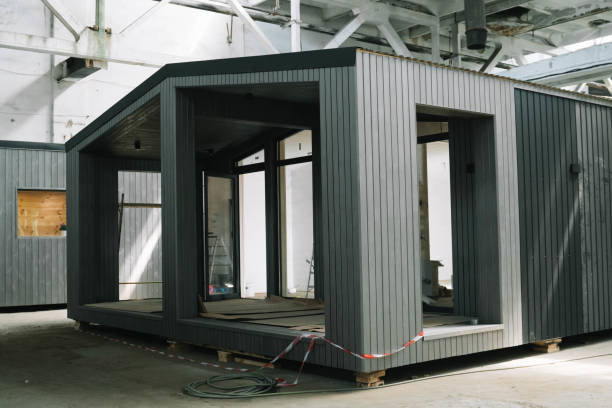
Prefabricated homes have transcended their humble beginnings to become epitomes of high-tech design and sustainability. These homes are built in factories in sections or modules, which are then transported to the site for assembly. This process minimizes waste and maximizes quality control, ensuring each home is built to a high standard.
Key Features of High-Performance Prefab Homes
- Energy Efficiency: High insulation values and tight construction reduce heating and cooling costs.
- Durability: Engineered to strict standards to withstand harsh weather conditions.
- Speed of Construction: From factory to assembly, homes can be completed in a fraction of the time of traditional builds.
- Cost-Effectiveness: Less labor and waste during construction lead to significant cost savings.
- Customization: Various design options to meet diverse consumer needs and preferences.
This list highlights how prefab homes are not just about affordability but about bringing superior quality and performance to the housing market.
Transforming Cities with Modular Housing Innovations
As urban populations swell, the demand for housing that is both affordable and quickly deployable has led to innovative modular solutions. Cities around the world are now recognizing the potential of modular construction to alleviate housing shortages efficiently.
Worldwide Examples of Modular Housing Success
- New York City's Carmel Place – offers micro-apartments that are both stylish and affordable.
- London's Wick Lane – features a modular student housing complex built in record time.
- Tokyo’s Nakagin Capsule Tower – represents a historical precedent in modular living spaces.
- Amsterdam’s Wenckebachweg – a temporary modular housing project for students and refugees.
These examples serve as global benchmarks and inspire further modular housing projects worldwide, proving the versatility and effectiveness of this approach.
The Economic Impact of Affordable Modular Housing
Affordable modular housing is no longer just an option; it's a necessity in today’s rapidly evolving housing market. By reducing construction costs and time, modular homes provide a viable solution for low- to middle-income families, making home ownership more accessible to a broader audience.
Cost Savings Broken Down
The affordability of modular homes can be attributed to several key factors that streamline the construction process and reduce overall expenses.
How Modular Homes Save Money
- Reduced Construction Time: Less time on site means lower labor costs.
- Minimal Waste: Precise engineering and factory settings reduce excess materials.
- Bulk Material Purchase: Materials bought in bulk for multiple homes mean reduced costs.
- Less On-Site Damage: Fewer weather-related delays and damage during construction.
These elements contribute significantly to making modular homes a cost-effective choice for many families and investors alike.
Pushing the Boundaries: The Future of Modular Housing
As we stand like Christ the Redeemer overlooking the vast possibilities in the housing industry, it's clear that the future is geared towards modular innovations. The ongoing advancements in technology and materials are expected to further enhance the desirability and capabilities of modular homes.
Technological Advancements in Modular Construction
The integration of cutting-edge technology such as 3D printing and AI in modular construction is set to revolutionize the industry, pushing the boundaries of what is possible in prefab housing designs.
Innovations to Watch in Modular Housing
- 3D Printed Homes: Faster and more customizable construction methods.
- Smart Modular Homes: Integrated with IoT for better energy management and security.
- Modular Retrofitting: Upgrading existing buildings with prefabricated elements.
- Sustainable Materials: Use of recycled materials and new eco-friendly alternatives.
These innovations not only promise a greener and more efficient approach to housing but also ensure that modular homes can adapt to the future needs of urban development.
Tags: High-performance prefab homes, Residential modular buildings, Affordable modular housing, Modular housing innovation
In conclusion, just as Christ the Redeemer symbolizes peace and openness, the movement towards high-performance prefab and modular homes represents a revolution in how we approach building and living. With continuous advancements making these homes more accessible, efficient, and sustainable, the future of residential construction is looking not only innovative but also inclusive.