
What Are the Best Next‑Gen Housing Options for 2026?
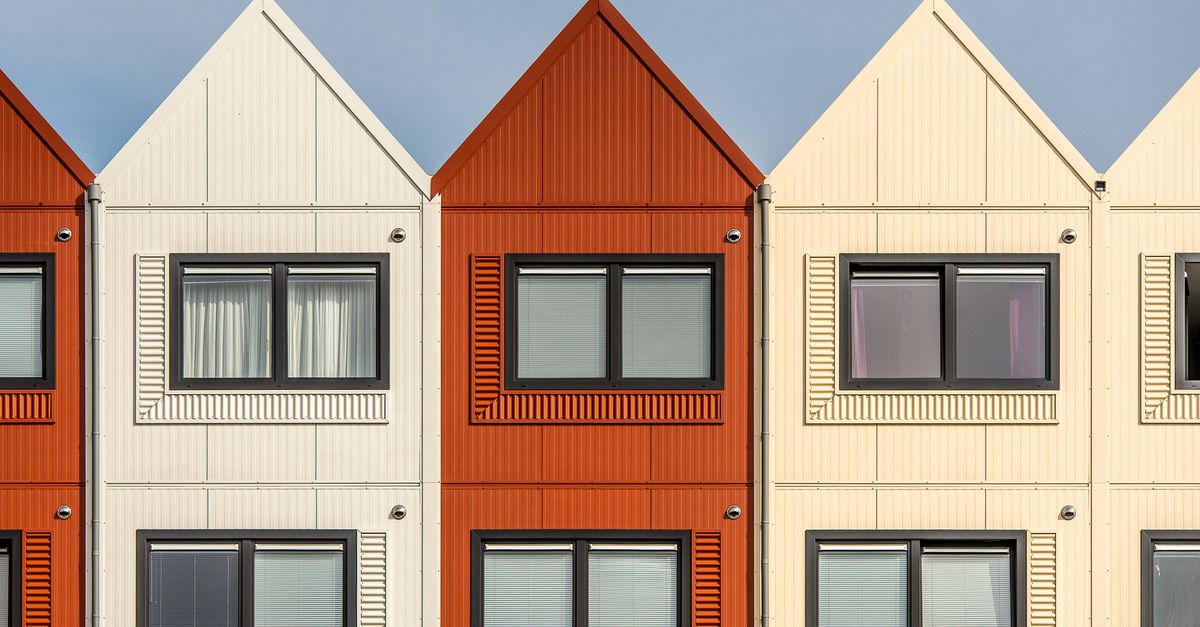
I’ve spent a decade building and scaling companies that solve real problems, so when it comes to choosing a home I look at the same fundamentals: speed of delivery, cost efficiency, sustainability, and how well the architecture can evolve with technology. In 2026 the market has shifted from traditional stick‑built construction toward four main categories—factory‑built homes, smart homes, tiny modular homes, and smart prefab housing. Each offers a distinct blend of benefits and trade‑offs that align differently with lifestyles, budgets, and long‑term goals.
Why Next‑Gen Housing Matters in 2026
The cost of land, labor, and materials has risen faster than wages for most families, pushing the average home price beyond what many can afford outright. Simultaneously, climate change and resource scarcity demand buildings that use less embodied energy and generate minimal waste. Next‑gen housing addresses both by leveraging mass production techniques, integrated IoT systems, and compact designs to deliver higher value at lower cost.
From a builder’s perspective, the supply chain has also become more resilient. Factory production allows for tighter quality control, reduces on‑site weather delays, and speeds up project timelines from 12–18 months to under six weeks in some cases. For homeowners, that means earlier occupancy and fewer construction headaches.
In my experience, families who adopt these models not only save money but also gain flexibility—whether it’s a quick relocation for a job, downsizing after children leave, or expanding the home with modular add‑ons without major demolition.
Factory‑Built Homes: Speed and Sustainability
Factory‑built homes are prefabricated in controlled environments and then shipped to site. They combine the precision of manufacturing with the familiarity of traditional home layouts. The key advantage is time; a typical project that would take 12 months on‑site can be completed in 4–6 weeks.
Because components are produced en masse, waste drops by up to 30 % compared to conventional construction. Energy efficiency also improves—walls and roofs are sealed tighter, and insulation is installed in a more consistent manner.
The trade‑off often lies in customization. While many manufacturers offer modular floor plans, altering the layout mid‑production can be costly. That said, several brands now allow for limited interior reconfiguration without sacrificing build speed.
Typical Features of Factory‑Built Homes
- Pre‑finished walls and ceilings with integrated wiring
- High‑grade insulation and vapor barriers
- Standardized roof framing for quick assembly
- Optional smart home integrations pre‑wired into the structure
- Warranty on both structural components and finishes
Additionally, factory‑built homes benefit from a lower embodied carbon footprint. The controlled environment reduces material over-ordering, and precision cutting cuts down on excess lumber. Many manufacturers now partner with local suppliers to source recycled or sustainably harvested materials, further tightening the environmental impact.
A practical example is GreenFrame Homes, which uses a 4‑stage production line that includes automated cutting, framing, and finishing. The result is a 1,200 sq ft home costing $240 per sq ft with an estimated 20% lower carbon emissions than a comparable stick‑built structure.
Smart Homes: Automation and Energy Efficiency
Smart homes embed Internet of Things (IoT) devices—thermostats, lighting systems, security cameras, and voice assistants—that can be managed remotely. The goal is to reduce energy consumption while enhancing comfort.
In 2026 the average smart home uses at least 20 % less electricity than a comparable conventional house, thanks to automated temperature regulation, occupancy‑based lighting, and predictive maintenance alerts that preempt equipment failures.
The main challenge is integration. A fragmented ecosystem can lead to data silos or security vulnerabilities. I’ve seen projects where a single vendor’s platform—like Nest or Ecobee—controls all devices, simplifying management but limiting flexibility if you want to mix brands.
Key Smart Home Technologies
- Smart thermostats with machine‑learning temperature profiles
- Zigbee or Thread mesh networks for low‑latency communication
- AI‑driven home security that distinguishes between family members and strangers
- Voice‑activated assistants linked to smart appliances
- Energy monitoring dashboards with real‑time usage analytics
Security remains a top concern. Manufacturers now require regular firmware updates, but homeowners must also adopt best practices like strong passwords, two‑factor authentication, and network segmentation to protect sensitive data.
When choosing devices, look for interoperability standards such as Matter, which allows disparate products to communicate seamlessly—an essential feature if you plan to expand your system over time.
Tiny Modular Homes: Compact Living, Big Impact
Tiny modular homes shrink the footprint but do not compromise on quality. They’re built in sections—often 200–400 sq ft each—that can be stacked or linked to create larger living spaces.
Because of their size, these units are naturally more energy efficient; heating and cooling loads drop dramatically, and smaller footprints mean less land usage. The modular approach also keeps construction waste minimal.
The downside is that the initial investment is higher per square foot than a traditional build. However, when you factor in lower utility bills and potential resale value—especially in urban areas where space commands premium prices—the economics can be favorable.
Benefits of Tiny Modular Living
- Rapid deployment: 2–3 weeks from order to occupancy
- Modular expansion options (add a bathroom, loft, or sunroom)
- Low utility and maintenance costs due to smaller systems
- High resale value in high‑density markets
- Reduced environmental impact from construction waste
Transport logistics for tiny modular homes are also streamlined. Because each module is sized to fit standard shipping containers, delivery can occur via truck or rail without the need for heavy equipment on site.
A notable case study involves a 300 sq ft unit built by ModuLife, which sold for $350 per sq ft in a downtown loft district and was later expanded with an additional module to reach 600 sq ft, increasing its market value by 35% within two years.
Smart Prefab Housing: Integration of Technology and Production
Smart prefab housing merges the speed of factory production with built‑in IoT systems. The result is a home that’s ready for immediate occupancy and already optimized for connectivity.
The manufacturing process includes installing sensors, wiring, and smart devices before delivery to site—so homeowners can start using Alexa or Google Home right out of the box. This eliminates the need for costly post‑construction retrofits.
Because every component is pre‑tested, the likelihood of defects drops significantly. The main limitation is that most suppliers still offer a limited selection of floor plans and finishes; however, the trend toward customizable digital design tools is narrowing that gap.
Core Components of Smart Prefab Homes
- Pre‑wired Ethernet and fiber‑optic backbones
- Integrated HVAC with smart zoning
- Built‑in environmental sensors (CO₂, humidity, air quality)
- Modular battery backup for critical systems
- App‑controlled lighting and window treatments
Smart prefab homes also benefit from remote diagnostics. Manufacturers can monitor system performance via cloud platforms, allowing them to preemptively address issues before they affect occupants—a feature that enhances reliability and reduces maintenance costs.
Comparing the Models: Cost, Customization, and ROI
When evaluating these options I focus on three metrics that matter most to buyers: upfront cost, flexibility, and long‑term return. Below is a practical comparison based on recent market data.
Key takeaway: Factory‑built and smart prefab homes deliver the fastest delivery and lowest waste, while tiny modular homes excel in energy savings and resale value; smart homes alone offer the best tech integration but require additional investment for full automation.- Factory‑Built: $200–$250 per sq ft. Rapid build (4–6 weeks). Limited customization beyond standard floor plans. ROI through reduced construction costs and faster occupancy.
- Smart Homes: $150–$220 per sq ft plus device cost ($5,000–$12,000). High tech integration but requires separate installation or retrofit. ROI via energy savings and potential tax incentives for smart systems.
- Tiny Modular: $250–$350 per sq ft due to premium materials. Space‑efficient; great for high‑density areas. ROI from lower utility bills and strong resale in urban markets.
- Smart Prefab: $220–$280 per sq ft including pre‑installed IoT. Combines speed of factory build with tech integration. ROI through combined cost savings and energy efficiency.
In my experience, clients who prioritize speed and low waste often choose factory‑built or smart prefab options, while those in cities looking to maximize land value lean toward tiny modular homes. For families wanting a fully connected home from day one, smart prefab offers the best balance of tech and construction efficiency.
Choosing the Right Option for Your Lifestyle
The decision ultimately hinges on where you live, how long you plan to stay, and what your priorities are—cost, technology, space, or sustainability. Below is a quick decision matrix I use with clients.
- Urban Professional (high rent, limited land): Tiny modular or smart prefab for space efficiency and quick setup.
- Suburban Family (moderate land, long‑term investment): Factory‑built with optional smart home add‑ons for future tech upgrades.
- Tech Enthusiast: Smart prefab to have integrated IoT from day one; or a factory‑built house that you retrofit with a single vendor’s ecosystem.
- Sustainability Advocate: Tiny modular for low energy use, or factory‑built for reduced waste and lower embodied carbon.
Remember to factor in local building codes, utility rates, and resale trends before making a final call. The most valuable home is one that aligns with your long‑term goals rather than the latest trend.
Beyond construction costs, consider financing options such as green mortgages or builder incentives that reward low carbon footprints. Many municipalities now offer tax abatements for energy‑efficient builds, which can offset initial premiums over time.
Looking ahead, the next wave of innovation will likely involve modular battery storage and microgrid integration, allowing homes to operate off-grid during outages while still maintaining connectivity. Staying informed about these developments ensures your investment remains future‑proof.
What factors weigh more heavily for you when choosing a next‑gen housing option: speed of delivery or technology integration?


