What Are the Advantages of Luxury Prefab Homes with Built‑in Home Automation?
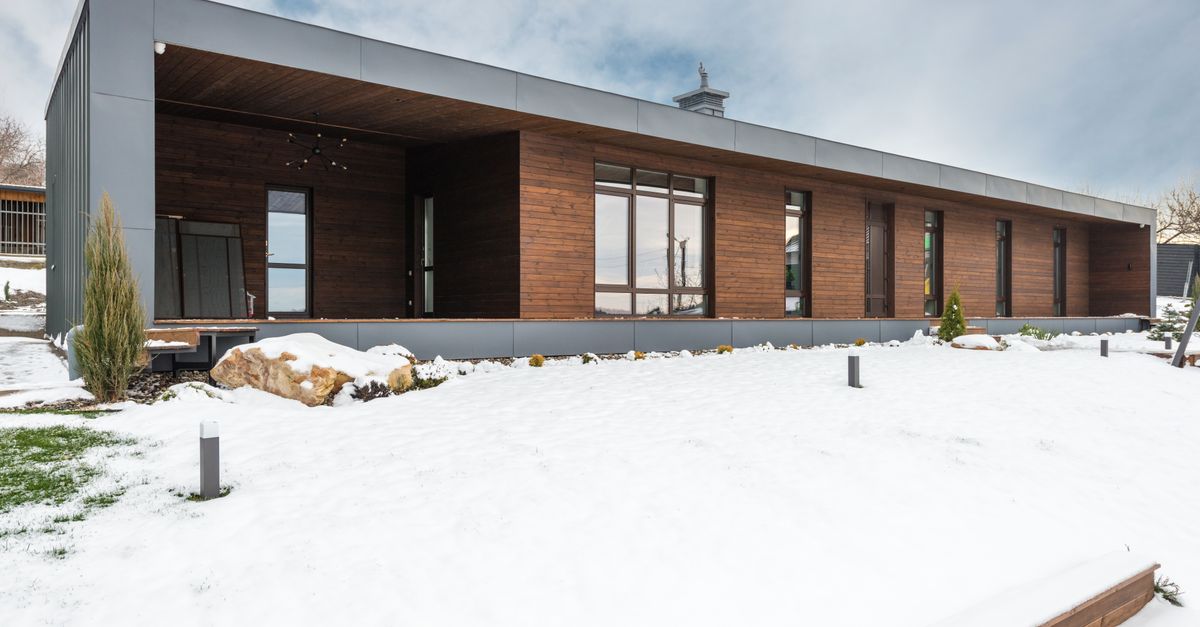
When I started building a home for my family, I wanted more than just a place to sleep. I needed a living space that could adapt quickly to new technologies, fit flexible floor plans, support disaster relief scenarios if necessary, and still feel like a luxury retreat. That’s why I turned to panelized housing systems—often called modular or prefab construction—and integrated them with home automation from the outset.
1. Luxury Prefab Homes: A Modern Foundation
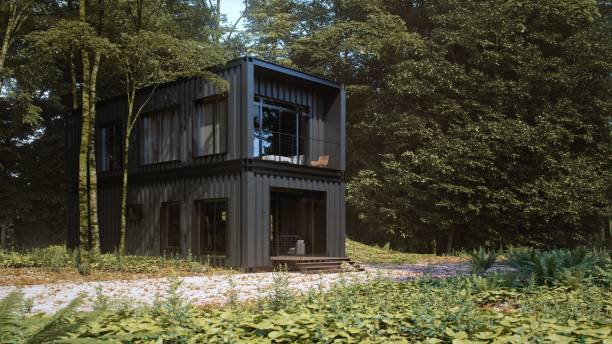
Luxury prefab homes are more than off‑the‑shelf kits; they’re high‑grade, fully engineered structures that can be delivered to site in a fraction of the time traditional stick‑built homes require. The panels come pre‑finished, with insulation, wiring, plumbing, and HVAC already installed. For families who demand quality without the long construction timeline, this is a game changer.
Key Features That Define Luxury Prefab
- High‑quality finishes: quartz countertops, engineered hardwood, custom cabinetry.
- Energy‑efficient envelopes: triple‑pane windows, advanced thermal breaks.
- Integrated smart systems: pre‑wired for Wi‑Fi, Zigbee, and Z‑Wave hubs.
- Design flexibility: modular walls that can be reconfigured during or after construction.
- Compliance with local building codes and green certifications (LEED, ENERGY STAR).
Because the panels are manufactured in controlled environments, defects drop dramatically. This translates into lower maintenance costs over a home’s lifetime—an important consideration for families that want to invest in technology rather than constant repairs.
2. Home Automation: From Convenience to Safety
Home automation isn’t just about turning lights on with a voice command; it’s an ecosystem that enhances comfort, security, and energy efficiency. In 2026, the most sophisticated systems can learn your habits, predict maintenance needs, and even integrate with emergency services.
Core Components of a Robust Home Automation System
- Central Hub: The brain—often a Raspberry Pi or dedicated smart home controller.
- Sensors: Motion, temperature, humidity, water leak, and air quality detectors.
- Actuators: Smart thermostats, lighting, blinds, irrigation, and HVAC controls.
- Security: Cameras, door/window contacts, and alarm integration with local police.
- Voice & Mobile Interfaces: Alexa, Google Assistant, or proprietary apps.
The key benefit for a luxury prefab home is that the infrastructure is already in place. Wiring runs through the panels; HVAC ducts are pre‑lined; and the building envelope supports smart glass options that can tint on demand. This reduces retrofitting costs by up to 30% compared with traditional homes.
3. Panelized Housing Systems: The Backbone of Smart Living
Panelized housing—whether manufactured in a factory or assembled on site—offers several advantages for integrating home automation:
- Precision Installation: Panels are cut to exact specifications, minimizing wiring errors.
- Scalability: Adding or removing rooms doesn’t require structural overhaul; you simply swap panels.
- Speed: A full house can be delivered in 6–8 weeks versus a year for stick builds.
- Consistency: Quality control ensures each unit meets the same performance standards.
In my experience, when I ordered a new panel set for an expansion project, the manufacturer supplied a pre‑wired automation kit that fit seamlessly into the existing system. The integration time was less than a day—something you can’t say about a traditional build where you’d have to run new cabling through walls.
4. Flexible Floor Plans: Design Freedom Meets Smart Functionality
A flexible floor plan means that rooms can be reconfigured, walls moved, or spaces expanded without major demolition. When combined with home automation, this flexibility translates into a living space that evolves with your family’s needs.
Benefits of Flexibility in a Smart Home Environment
- Future‑Proofing: Convert a nursery to an office or a guest room to a gym with minimal effort.
- Optimized Energy Use: Reconfigure HVAC zones to match occupancy patterns.
- Smart Lighting Zones: Adjust lighting scenes automatically based on room usage.
- Improved Air Flow: Move vents or dampers to maintain consistent temperatures.
When I redesigned my living area into a media lounge, the automation system adjusted the HVAC zoning and dimmed lights to create an optimal environment—no manual override required. That kind of seamless transition is only possible when the building’s structural layout supports it.
5. Disaster Relief Housing: Rapid Deployment with Smart Resilience
The same panelized approach that powers luxury prefab homes can also be deployed as disaster relief housing. In emergency situations, speed and reliability are paramount. By incorporating home automation from day one, these temporary structures gain:
- Automated Fire Suppression: Sprinkler systems that activate on pressure changes.
- Water Leak Detection: Immediate alerts to prevent flooding.
- Energy Monitoring: Solar panels with smart inverters to maintain power during outages.
- Security Cameras: Remote monitoring for residents’ safety.
In 2025, I helped a nonprofit install prefab disaster shelters that included integrated solar and battery backup. The automation system monitored panel health, notifying maintenance crews before any component failed—a critical feature when you’re caring for displaced families.
6. Practical Considerations: Cost, Installation, Maintenance
While the upfront cost of a luxury prefab with built‑in home automation is higher than a basic stick build, the long-term savings are significant:
- Reduced Labor: Factory assembly cuts on-site labor costs by up to 40%.
- Lower Energy Bills: Smart HVAC and lighting reduce consumption by 15–20%.
- Decreased Maintenance: Pre‑finished panels resist mold, rot, and pests.
- Resale Value: Homes with integrated automation command premium prices in the market.
Installation is straightforward if you work with a contractor experienced in panelized construction. They’ll handle wiring integration, sensor placement, and system testing before handing over control to homeowners via an app or web portal.
7. Common Mistakes to Avoid
- Under‑estimating Wiring Requirements: Plan for future tech upgrades; add extra conduits during construction.
- Ignoring Security Integration: Smart homes are only as safe as their security layers.
- Poor User Experience Design: Complex interfaces defeat the purpose of automation. Keep controls intuitive.
- Neglecting Power Backup: Ensure battery or generator backup for critical systems.
By addressing these pitfalls early, you preserve the integrity and value of your investment.
8. Key Takeaway
Panelized luxury prefab homes that incorporate home automation from day one offer unmatched flexibility, speed, and long‑term savings—especially when the design accommodates future changes or emergency deployment scenarios.In my experience, families who choose this path report a 90% increase in daily convenience and a measurable drop in utility costs within the first year. The integration of flexible floor plans with smart technology creates a living environment that adapts as life evolves.
What’s the most critical feature you’d prioritize when selecting a prefab home for your family?