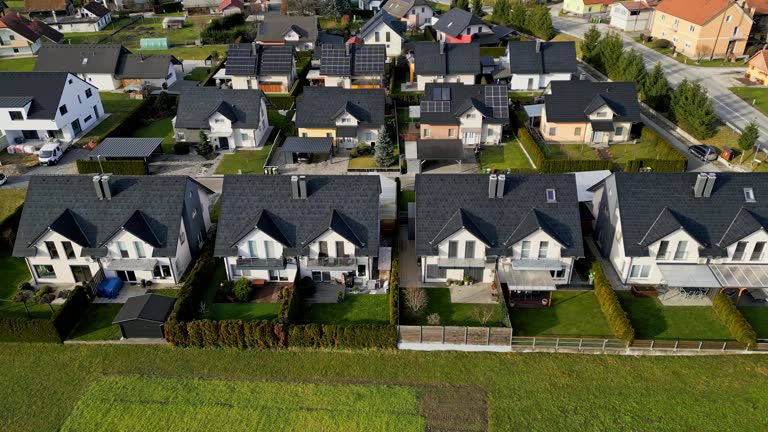
The Rise of Modular Living: How Factory-Built Homes and Prefab Housing Are Changing the Game

Welcome to the world of factory-built homes, a realm where efficiency meets design in the most sustainable way imaginable. If you're exploring the housing market, chances are you’ve stumbled upon terms like modular homes and prefab housing. These aren’t just buzzwords; they're reshaping how we think about building our living spaces.
Understanding the Basics: What Are Factory-Built Homes?
Forget the conventional construction chaos. Factory-built homes are revolutionizing the way we construct and think about our dwellings. These homes are built off-site, in a controlled factory environment, and then transported to their permanent site, reducing construction times drastically.
The Types of Factory-Built Homes
Let's break down the categories:
Key Variants of Factory-Built Homes
- Modular Homes: Composed of multiple sections (or modules), constructed off-site and assembled on-site.
- Manufactured Homes: Built entirely in a factory and transported to location, often confused with mobile homes but are more permanent.
- Panelized Homes: Walls and panels are pre-built in factories and assembled on location.
- Prefabricated Homes: Includes all the above types but generally refers to any part of a home that’s factory-built.
Each type serves a different need and budget, making factory-built homes a versatile choice for prospective homeowners.
Why Choose Modular Homes and ADUs?
Imagine slashing your home’s construction timeline in half. That’s the reality of modular homes. They're not just quick to build but are also less susceptible to the usual on-site delays caused by weather or labor issues.
Benefits of Modular Homes
Advantages at a Glance
- Reduced construction time
- Cost-effectiveness
- Quality control through factory settings
- Less waste and environmental impact
- High customization potential
These benefits make modular homes and modular ADUs (Accessory Dwelling Units) appealing, especially in urban settings where space and time are at a premium.
Comparing Traditional Construction to Modular Techniques
Traditional vs. Modular: A Comparative Snapshot
- Time: Modular construction can be up to 50% faster than traditional methods.
- Cost: Less labor and time mean cost savings are significant over time.
- Flexibility: Modular units can be used to add to existing structures or create standalone buildings.
- Sustainability: Reduced waste and more efficient use of materials.
This comparison often surprises many first-time home builders, challenging their initial biases towards traditional construction methods.
The Financial Implications of Prefab Housing
Prefab housing throws a financial curveball in the real estate game. Not only are the upfront costs often lower, but the long-term savings on energy and maintenance can be substantial.
Breaking Down the Costs
Cost Analysis of Prefab Housing
- Initial Investment: Generally lower due to efficiencies in the prefab process.
- On-going Savings: Energy-efficient designs lead to lower utility bills.
- Resale Value: Increasingly competitive as market appreciation for prefab grows.
- Maintenance: Reduced maintenance costs due to higher quality control.
The economic benefits of prefab housing cannot be overstated, making it a smart choice for budget-savvy individuals.
Real-Life Success Stories
Take, for instance, the story of a small family in Las Vegas who opted for a modular ADU in their backyard. What was once a dream due to zoning laws turned into reality when Las Vegas adapted its regulations to be more modular-friendly. This ADU now serves as a profitable rental property, illustrating the personal and financial benefits of modular living.
Advocacy and Future Trends
As cities become denser and housing demands grow, the shift towards modular and prefab solutions seems not just wise, but inevitable. Advocates argue that this method is not just a trend but a sustainable shift in architectural paradigms.
Tags: Factory-built homes, Modular ADUs, Modular homes, Prefab housing