The Rise of Modular Homes: From Miami's Coastline to Your Neighborhood

Imagine if building a house was as easy as stacking giant LEGO blocks, each piece snapping securely into place. Now, replace those colorful plastic blocks with state-of-the-art modular units, and you've got yourself a revolution in home construction that's spreading faster than Miami's beachside music festivals. Modular homes are not only reshaping skylines but also redefining what it means to live smart and sustainably.
Understanding Modular Homes
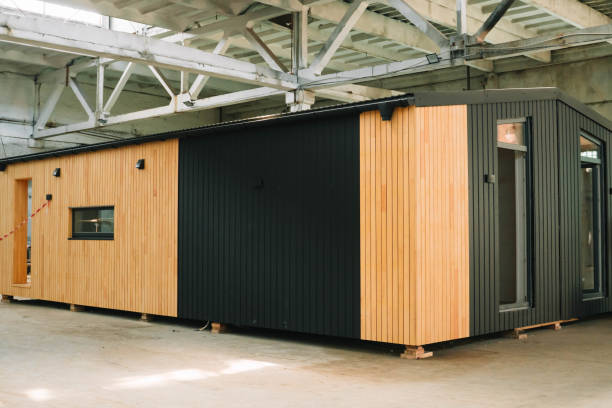
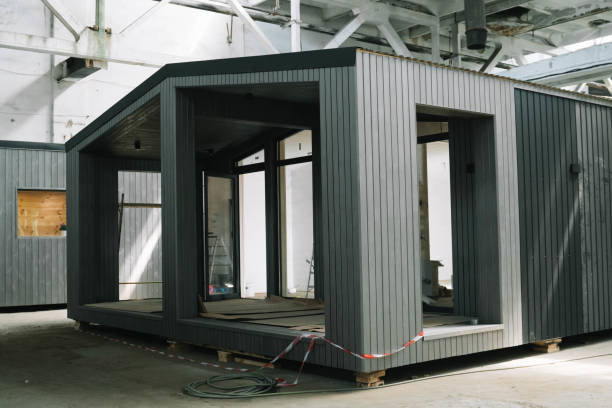
At its core, the concept of modular homes involves manufacturing sections or modules in a factory setting, which are then transported and assembled on-site. This method offers numerous advantages over traditional building techniques, including reduced construction time, minimized waste, and potentially lower costs.
Benefits of Modular Construction
Let's delve deeper into why modular homes are becoming the go-to option for many homeowners:
Key Advantages of Modular Homes
- Streamlined Construction Process
- Enhanced Quality Control
- Reduced Environmental Impact
- Flexibility in Design
Each of these points contributes to a smoother, more efficient home-building experience. For instance, the controlled environment of a factory allows for more precise construction, less material waste, and fewer weather-related delays.
Affordable Modular Housing: A Cost-Effective Solution
One of the most appealing aspects of modular homes, especially in a high-cost living area like Miami, is their affordability. The prefabrication process significantly cuts down on labor and material costs, making homeownership more accessible to a broader audience.
How Modular Homes Save Money
Breaking Down the Cost Savings
- Lower labor costs due to efficient processes
- Reduced material waste
- Decreased time on site, lowering overall project costs
- Bulk purchasing of materials
The economics of modular homes allow for savings at every stage of construction, making this a smart choice for budget-conscious buyers.
LEED Certified and Net-Zero Modular Homes: Leading the Charge in Eco-Friendly Living
Modular homes shine not only in affordability and efficiency but also in their potential for sustainability. Many modular homes are designed to meet LEED certification standards or even achieve net-zero energy status.
The Environmental Impact of Modular Housing
Features of Eco-Friendly Modular Homes
- Energy-efficient appliances and systems
- Sustainable materials and construction practices
- Reduced carbon footprint
- Improvements in indoor environmental quality
These green features ensure that modular homes help reduce your ecological footprint while maintaining comfort and style. Especially in sunny locales like Miami, making use of solar panels and energy-efficient designs is both practical and beneficial.
Smart Homes: The Future of Modular Living
Integrating technology with modular construction can turn a regular home into a smart home. This synergy creates living spaces that are not only cost-effective and eco-friendly but also exceptionally convenient and safe.
Integrating Smart Technology in Modular Homes
Examples of Smart Home Technologies
- Automated climate control
- Security systems with remote monitoring
- Energy management systems
- Smart lighting and appliance controls
The incorporation of these technologies enhances the living experience by providing homeowners with control, efficiency, and security at their fingertips.
Tags: Modular homes, LEED certified homes, Affordable modular housing, Net-zero modular homes, Smart homes
In conclusion, whether it’s the vibrant pace of Miami life or the serene suburbia anywhere in the world, modular homes present a compelling option that aligns affordability, speed, customization, and sustainability. Embracing the modular home trend might just be the best way to build your dream home, tailored perfectly to your lifestyle and values. Imagine that—building the future, one modular block at a time!