Revolutionizing Sustainable Living with Architect-Designed Modular and Factory-Built Homes

The modern housing market is rapidly evolving, with trends like architect-designed modular homes and factory-built homes emerging as frontrunners in sustainable living. These innovative housing solutions are not only redefining affordability and design but also integrating features like water-saving homes and backyard offices to cater to the eco-conscious and remotely working demographics. This comprehensive exploration will delve into how these cutting-edge home designs are setting new standards in the housing industry.
The Rise of Factory-Built Homes
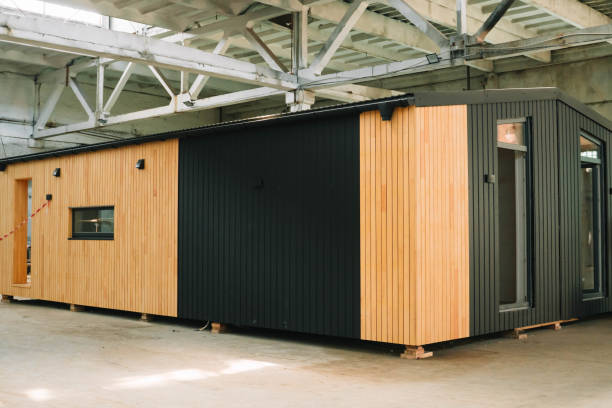
In an era where efficiency and sustainability are paramount, factory-built homes are leading the charge in innovation. These structures, assembled in controlled factory environments, are known for their quality, sustainability, and speed of construction.
Benefits of Choosing Factory-Built Homes
From decreased construction waste to improved efficiency, factory-built homes offer numerous advantages:
Key Advantages of Factory-Built Homes
- Enhanced Quality Control
- Reduced On-Site Construction Time
- Lower Overall Cost
- Eco-Friendly Construction Process
By streamlining the construction process in a controlled environment, factory-built homes minimize delays caused by weather and maximize resource efficiency, making them a smarter choice for the planet and the homeowner’s wallet.
Integrating Water-Saving Features in Home Design
With environmental concerns on the rise, more homeowners are opting for water-saving homes to reduce their ecological footprint. Integrating such features not only helps in conserving precious resources but also in achieving substantial savings on utility bills.
Essential Water-Saving Features for Modern Homes
Modern homes can include a variety of water-saving features that are both practical and cost-effective:
Top Water-Saving Features to Consider
- Low-Flow Toilets and Showerheads
- Water-Efficient Dishwashers and Washing Machines
- Rainwater Harvesting Systems
- Drip Irrigation Systems for Gardens
These features represent a proactive approach towards sustainable living, significantly reducing water usage without compromising on daily needs and comfort.
Exploring Architect-Designed Modular Homes
Architect-designed modular homes are at the forefront of combining aesthetic appeal with modular convenience, offering customizable, scalable, and sustainable living solutions that resonate with contemporary homeowners.
Advantages of Modular Homes Designed by Architects
These homes are meticulously crafted with a focus on space utilization, eco-friendliness, and modern design:
Why Choose Architect-Designed Modular Homes
- Tailored Designs to Fit Individual Needs
- Quick Assembly with Minimal Environmental Impact
- High Energy Efficiency
- Adaptability to Different Landscapes and Climates
The collaboration between architects and modular home manufacturers combines the best of design innovation and manufacturing precision, resulting in homes that are both beautiful and practical.
Backyard Offices: Combining Functionality with Convenience
The recent surge in remote work has increased the demand for dedicated workspaces at home. Backyard offices, an extension of factory-built and modular home designs, offer a perfect solution for this emerging need.
Creating the Ideal Backyard Office
Designing a backyard office involves more than just aesthetics; it is about creating a productive and inspiring work environment:
Essential Elements of a Functional Backyard Office
- Optimal Natural Lighting
- Efficient Thermal Insulation
- Ergonomic Furniture
- Quiet and Private Ambiance
These offices not only provide a physical separation from the main living area, promoting work-life balance but also add value to the property.
Tags: Water-saving homes, Backyard offices, Factory-built homes, Architect-designed modular homes
In conclusion, the shift towards sustainable and efficient living is well represented by the rise of factory-built homes, architect-designed modular homes, innovative water-saving technologies, and backyard offices. These elements not only reflect the changing dynamics of the housing market but also cater to the growing environmental consciousness and the evolving work-from-home culture. As we continue to embrace these advancements, the dream of sustainable living becomes a tangible reality, marked by both comfort and style.