Resilient Foundations: Innovative Approaches to Disaster Relief Housing and Eco-Friendly Living
In the realm of disaster recovery and sustainable living, we're increasingly seeking the equivalent of a 'Holy Water' item from the world of Castlevania—a tool so efficacious that it can significantly turn the tide of adversity. While we may not be battling Dracula's minions, the challenges in building homes that are both disaster-resistant and environmentally friendly are colossal. Just as Holy Water cleanses the path in Castlevania, innovative building techniques like volumetric modular construction and LEED-certified designs are cleansing the real estate landscape, making it more resilient and sustainable.
The Evolution of Disaster Relief Housing
With the increasing frequency and intensity of natural disasters, the need for housing that can withstand such events has never been more critical. The concept of disaster relief housing is evolving, with modern technology paving the way for quicker, more efficient, and more resilient solutions.
Volumetric Modular Construction: A Game-Changer in Speed and Efficiency
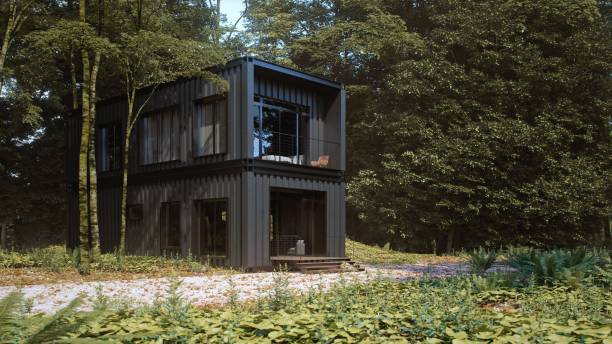
Volumetric modular construction involves constructing modules (like giant building blocks) off-site in a factory setting and then transporting them to the construction site where they are assembled. This method not only speeds up the building process but also reduces waste and disturbance to the surrounding environment.
List of Advantages of Volumetric Modular Construction
- Reduced Construction Time
- Enhanced Quality Control
- Less On-Site Waste
- Improved Safety During Construction
This method mirrors the strategy in Castlevania, where players gather resources and power-ups in a strategic manner to build up strength quickly and efficiently to defeat bosses.
Integrating Disaster Resilience
The integration of disaster-resilient features in modular homes, such as impact-resistant windows and reinforced structures, ensures that these homes can stand up to severe conditions, akin to having a solid defense strategy in a labyrinthine castle full of challenges.
Key Disaster-Resilient Features in Modern Housing
- Impact-Resistant Windows
- Reinforced Building Structures
- Elevated Designs for Flood Prevention
- Fire-Resistant Materials
These features ensure that homes are not only safe but are also long-lasting, providing peace of mind to residents, much like defeating a tough Castlevania boss with the best gear equipped.
Building Toward a Greener Future: Water-Saving Homes and LEED Certification
In our quest to protect the environment, water-saving homes and LEED-certified buildings are the front-runners. They represent a critical shift towards sustainability in the housing industry.
Water-Saving Innovations in Home Design
Water is as precious in our world as health potions in Castlevania - essential for survival but often scarce. Innovative water-saving technologies in homes are akin to strategies that maximize potion usage, ensuring every drop is used efficiently.
Technologies and Practices for Water Conservation
- Low-Flow Plumbing Fixtures
- Rainwater Harvesting Systems
- Water-Efficient Landscaping
- Smart Water Management Systems
By integrating these technologies, homes not only reduce their ecological footprint but also offer homeowners significant savings on utility bills.
The Value of LEED Certification
LEED (Leadership in Energy and Environmental Design) certification is like the ultimate power-up for a home, enhancing its efficiency and sustainability. This globally recognized badge ensures that the building adheres to the highest standards of energy efficiency and environmental conservation.
Core Components of LEED Certified Homes
- Energy Efficiency Measures
- Indoor Environmental Quality
- Material Selection
- Resource Management
These elements help in creating a home that not only saves on costs but also contributes to the health of its inhabitants and the planet, similar to achieving a high score in an eco-friendly version of Castlevania.
Tags: Disaster relief housing, Water-saving homes, Volumetric modular construction, LEED certified homes
In conclusion, just as players navigate through the levels of Castlevania with strategic resource management and robust gear, the domain of modern housing is navigating through environmental and disaster-related challenges with innovative construction methods and sustainable practices. The integration of volumetric modular construction and LEED certification in housing are not just trends; they are necessary revolutions in our approach to building homes that are both safe and respectful to the environment.