The Phil Collins of Housing: How Prefab Design and LEED Certification Are Revolutionizing Homebuilding

Just like Phil Collins masterfully drums up a powerful ballad, prefab housing is hitting all the right notes in modern homebuilding, especially when intertwined with LEED certified standards. A drum roll for sustainability and efficiency, perhaps? Indeed, the eco-friendly beat of prefab design-build projects, combined with the rhythm of energy management in homes, is not just music to the ears but a resonant solution for our planet.
The Harmony of Prefab Housing
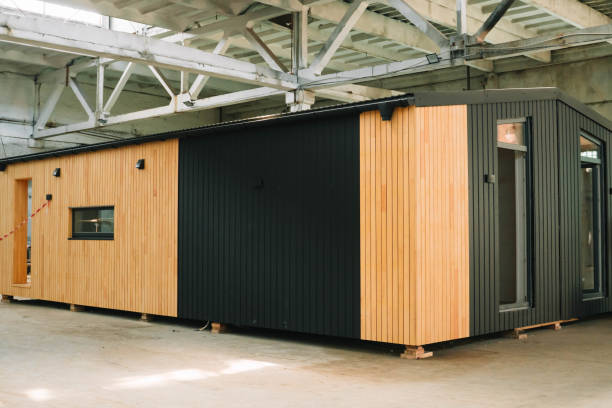
In the realm of construction, prefab housing is akin to a well-orchestrated symphony, where each section plays its part perfectly, culminating in a masterpiece of residential architecture. This method of homebuilding involves the assembly of various components in a factory setting, which are then transported and assembled on-site. This process not only speeds up construction times but also reduces waste and environmental impact, echoing the sustainable practices Phil Collins advocates in his personal life and public appearances.
Benefits of Prefab Housing
Prefabricated homes have transformed from a niche market into a mainstream housing solution, much like Phil Collins transcended his drummer status to become a solo superstar. Here are the key advantages:
Key Advantages of Prefab Housing
- Reduced Construction Time
- Lower Costs
- High Quality Control
- Less Waste
- Energy Efficiency
- Flexibility in Design
- Reduced On-Site Disruption
Each element is manufactured in a controlled environment, which minimizes the surprises often encountered in traditional construction sites. Not unlike a hit Phil Collins track, these homes are ready to top the charts of building efficiency and design.
LEED Certified Homes: A Greener Composition
LEED, or Leadership in Energy and Environmental Design, is the Phil Collins of certifications in the building industry—highly respected, influential, and a seal of excellence. LEED certified homes are designed to use resources more efficiently and to provide healthier living environments, which dramatically reduce the building’s carbon footprint.
Understanding LEED Certification
LEED certification addresses various aspects of sustainability, including energy usage, water efficiency, CO2 emissions reduction, improved indoor environmental quality, and stewardship of resources. It's like turning ‘Another Day in Paradise’ into a reality, focusing on creating a better, healthier environment.
Components of LEED Certification
- Sustainable Site Development
- Water Savings
- Energy Efficiency
- Materials Selection
- Indoor Environmental Quality
This certification ensures that every corner of your living environment is checked and balanced for sustainability, much like every note in a Phil Collins hit is carefully crafted for harmony.
Integrating Prefab with LEED: A Sustainable Duet
When prefab housing meets LEED standards, the result is a powerful duet that offers superior sustainability and efficiency. This integration is much like Phil Collins joining forces with other artists; the result is always greater than the sum of its parts.
Best Practices for Combining Prefab and LEED
To make the most of both worlds, certain practices must be harmonized:
Strategies for Effective Integration
- Use of Sustainable Materials in Prefab Components
- Energy-Efficient Manufacturing Processes
- Incorporation of Smart Home Technologies
- Water-Reducing Features
- On-Site Assembly Optimization
These strategies ensure that the environmental beat goes on, creating homes that are not only built more efficiently but are also sustainable in the long run, much like the lasting impact of a classic Phil Collins track.
Energy Management in Homes: Tuning Up Efficiency
Effective energy management in homes is crucial for maintaining the harmony between comfort and sustainability. This involves using technology to regulate energy use, much like a sound engineer fine-tunes levels to achieve the perfect mix in a recording studio.
Techniques for Enhanced Energy Management
Here are some methods by which homeowners can hit the high notes on energy savings:
Methods to Optimize Home Energy Use
- Smart Thermostats
- Energy-Efficient Appliances
- LED Lighting
- Solar Power Systems
- Enhanced Insulation
By integrating these techniques, homes can perform more efficiently, proving that good energy management is as crucial as the right melody in a song.
Final Thoughts
Just as Phil Collins has left a timeless imprint on music, prefab housing, LEED certified homes, and effective energy management are setting the stage for a revolution in the housing industry. With a blend of efficiency, sustainability, and innovation, this trio is composing the future of homebuilding—one note at a time.
Tags: Prefab housing, LEED certified homes, Prefab design-build, Energy management homes