The Innovative Playbook: How Volumetric Modular Construction is the MVP in Sustainable Housing

Just as the San Francisco 49ers meticulously strategize each play to secure a win, the construction industry has drafted its own game-changer: volumetric modular construction. This innovative method is not only scoring major points for efficiency but is also a touchdown for sustainable housing enthusiasts. Imagine assembling a home as seamlessly as a coach executes a perfect play, with all parts arriving on-site like well-trained athletes ready to perform. This approach is revolutionizing how we build — faster, smarter, and greener.
The Foundation: Understanding Volumetric Modular Construction
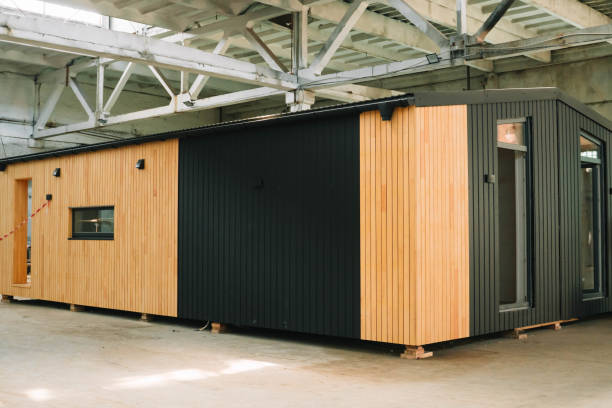
Volumetric modular construction involves constructing complete modules, such as rooms or sections of a building, in a factory setting. These modules are then transported to the building site, where they are assembled to form a complete structure. This method offers numerous benefits, including reduced construction time, less waste, and minimal disruption to the site.
Key Benefits of Volumetric Modular Construction
- Increased Construction Speed
- Enhanced Quality Control
- Reduced Environmental Impact
- Greater Cost Predictability
- Year-Round Construction
- Flexibility in Design
- Improved Safety
- Reduced On-Site Construction
- Scalability
- Energy Efficiency
Just like a football team benefits from practicing plays in a controlled environment, volumetric modular construction enhances building quality through factory precision. This method allows for better insulation and tighter seals, which significantly improves energy efficiency — a key player in the sustainability league.
Scoring Sustainability Goals with Passive House Prefab
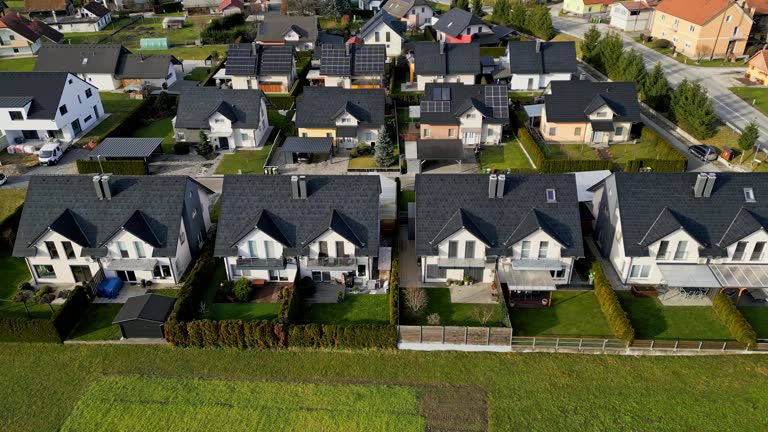
The concept of Passive House standards meets prefab technology in this innovative approach to eco-friendly living. Much like a 49ers' defensive line that doesn’t let anything pass, Passive House prefab homes are designed to be airtight, maximizing energy conservation and minimizing waste.
Principles of Passive House Design
- Superior Insulation
- Airtight Building Envelope
- High-Performance Windows and Doors
- Optimized Solar Gain
- Energy Recovery Ventilation Systems
- Thermal Bridge-Free Construction
- Accurate Energy Modeling
- Quality Assurance
By integrating these principles with prefab construction methods, builders can efficiently create homes that not only reduce carbon footprints but also offer incredible savings on energy bills. It’s like having a star quarterback like Joe Montana ensuring every pass is a complete, energy-efficient success.
Flexible Floor Plans: Tailoring Spaces Like a Championship Play
In football, flexibility can be the difference between a win and a loss. Similarly, in the realm of modular construction, the ability to adapt and customize floor plans allows for a personal touch that meets the diverse needs of homeowners.
Examples of Flexible Floor Plans in Modular Construction
- Open Concept Layouts
- Modular Additions for Expanding Families
- Multi-functional Spaces
- Accessibility Features
Whether it’s adding an extra bedroom for a growing family or designing a home office, modular construction offers the flexibility to adjust plans effortlessly. This adaptability is akin to a 49ers coach adjusting strategies mid-game to secure a win.
Final Thoughts: Building a Winning Strategy with Modern Construction Techniques
Just as a well-coached football team brings excitement and efficiency to the field, volumetric modular construction introduces a new era of building that promises sustainability, flexibility, and superior quality. By adopting techniques from passive house design and utilizing flexible floor plans, we can tackle the challenges of modern housing needs much like the San Francisco 49ers face their opponents — with strategy, strength, and a focus on winning results.
Tags: Volumetric modular construction, Sustainable housing, Flexible floor plans, Passive house prefab