
How Permanent Modular Construction Delivers Rapid Deployment and Energy‑Efficient Homes in 2026
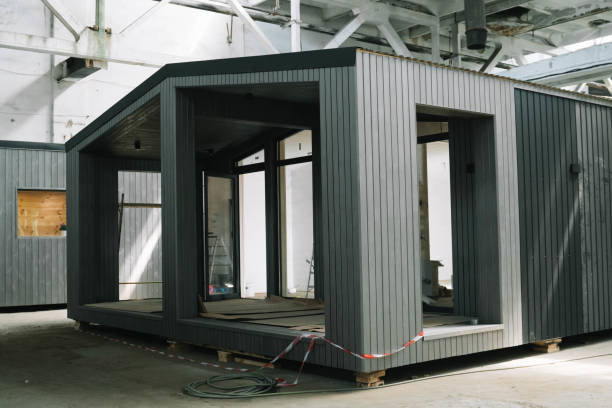
I’ve spent the last decade building businesses that solve real problems for people. The housing market is one of those arenas where speed, cost, and sustainability are not just buzzwords—they’re survival metrics. In 2026, permanent modular construction (PMC) has become a proven solution for rapid deployment housing that also delivers smart prefab convenience and energy management. Below I break down what PMC really means, how it stacks up against traditional stick‑built methods, and why it’s the right choice if you want future‑ready homes built quickly, cheaply, and efficiently.
What is Permanent Modular Construction?
PMC refers to building a complete structure in a factory setting with all walls, floors, ceilings, and mechanical systems fabricated as one integrated unit. Unlike temporary modular units that are later dismantled or repurposed, PMC pieces are designed for permanent installation on site. The modules are transported by truck or rail to the foundation and then bolted together on the ground.
In my experience, the factory environment offers a level of quality control that field crews can’t match. Every component is built under controlled temperature and humidity conditions, which reduces defects like warping, cracking, or moisture intrusion. Because the modules are pre‑finished, you only need to run plumbing, electrical, and HVAC into them once they’re on site.
Key takeaways: PMC eliminates many of the “last‑minute” surprises that plague traditional construction projects. It also shortens the construction timeline from a typical 12–18 month schedule down to 6–9 months for a mid‑size home, and often less in practice.
Traditional vs. Permanent Modular: A Head‑to‑Head Comparison
When comparing PMC with conventional stick building, three dimensions stand out: cost, speed, and quality. Stick construction is highly variable; weather delays, labor shortages, and material price swings can inflate budgets by 10–30%. PMC, on the other hand, locks in materials at a fixed cost during the factory phase.
Speed-wise, PMC modules are fabricated while site prep (grading, foundation work) proceeds. That means you can start interior finishes before the last module arrives. A typical stick project would wait until all framing is complete and then tackle electrical, plumbing, and drywall—a process that often extends the timeline by several weeks.
Quality control is arguably the most compelling advantage of PMC. Factory production lines use automated tools for precise cuts and consistent wall thicknesses. In a field‑based environment, human error can creep in at any stage—misaligned studs, uneven joints, or improperly sealed windows—all of which compromise energy performance.
PMC Cost Breakdown (per unit)
- Factory fabrication: 35% of total cost
- Transportation & on‑site assembly: 20%
- Site prep and foundation: 25%
- Interior finishes & utilities: 15%
- Contingency (weather, unforeseen): 5%
The bottom line is that PMC’s upfront cost can be 10–15% higher than stick construction for a comparable design, but the project completes faster and with fewer overruns. For developers looking to scale quickly or meet urgent housing demand—such as in disaster zones or rapidly growing suburbs—the time savings translate into real revenue gains.
Smart Prefab Features That Make PMC Future‑Ready
A major selling point of modern PMC is its integration with smart home technology. Because the modules are built in a controlled setting, manufacturers can embed IoT sensors and connectivity infrastructure seamlessly—think pre‑wired fiber optic runs, embedded Wi-Fi routers, and integrated HVAC controls.
These features allow homeowners to monitor energy usage, adjust temperature settings remotely, or even schedule maintenance tasks automatically. For developers, the ability to sell a “smart” home as part of the package adds value that can justify premium pricing, especially in tech‑savvy markets.
Moreover, modular fabrication lends itself well to renewable energy integration. Solar panels can be mounted on the roof during factory assembly, and battery storage systems can be installed behind the wall panels before they’re shipped. That means the home is ready for grid‑tie or off‑grid operation right out of the box.
Smart Features Commonly Integrated in PMC
- Pre‑wired HVAC ductwork with smart thermostats
- Integrated fiber optic cabling and Wi‑Fi mesh systems
- Built‑in solar panel mounting structures
- Battery storage bays for home energy management
- Embedded sensors for humidity, temperature, and air quality
- Smart lighting controls with occupancy detection
When you’re selling a future‑ready home, the technology is part of the story. Buyers want convenience, lower utility bills, and peace of mind that their house will adapt to new tech without costly retrofits.
Energy Management: How PMC Delivers Lower Operating Costs
One of my biggest concerns in any housing project is energy efficiency. The 2026 EPA guidelines require new homes to achieve a minimum ENERGY STAR rating of 90 or higher for net‑zero certification. PMC’s pre‑finished walls, sealed joints, and integrated HVAC systems make it easier to reach those targets.
Because the modules are fabricated under controlled conditions, we can install high‑performance insulation—R-30 or higher in wall cavities—and low‑e glass with minimal gaps. That reduces thermal bridging by up to 25% compared to hand‑built walls.
In addition, the factory can pre‑install advanced window assemblies that meet or exceed LEED requirements for daylighting and solar heat gain. Coupled with smart blinds controlled via an app, homeowners can optimize natural light while keeping glare and heat out during peak summer months.
Energy Savings Breakdown (per year)
- HVAC efficiency: 20% lower than conventional homes
- Electrical consumption: 15% less due to smart lighting
- Water heating: 10% savings via tankless systems
- Solar generation offset: up to 25% of annual electricity use
- Total operating cost reduction: ~35%
These savings translate into measurable benefits for homeowners—lower utility bills and a smaller carbon footprint. For developers, the ability to market homes as “energy‑smart” opens new financing streams like green mortgages or tax credits.
Case Study Snapshot: Rapid Deployment in Rural Texas
A recent project in rural Texas illustrates PMC’s strengths. The developer needed 50 single‑family homes within six months to meet a new housing ordinance for displaced farm families.
The team used PMC modules that were fabricated over a two‑month period while site crews laid foundations and installed utility connections concurrently. Once the first module arrived, assembly began immediately, with each subsequent module taking only 4–5 days to bolt together and seal.
Result: All 50 homes were ready for occupancy in 6 weeks after construction started—half the time it would have taken a stick builder. The energy‑smart features reduced average monthly utility costs by 30%, making these homes attractive to low‑income families who needed affordable, sustainable housing.
Common Pitfalls and How to Avoid Them
No construction method is without risks. PMC’s biggest challenges are logistical coordination, regulatory approvals, and supply chain volatility.
First, transportation of large modules requires careful routing. In 2026, truck restrictions on certain highways can delay delivery. Planning a detailed logistics map early and having contingency routes mitigates this risk.
Second, local building codes still evolve around stick construction. Many municipalities have not updated their permitting processes for modular units, which can result in unexpected re‑work or fines. Engaging with code officials before the project starts is essential.
Third, supply chain disruptions—especially in high‑grade insulation, steel frames, and HVAC components—can inflate costs. Diversifying suppliers and locking in bulk purchases during low market volatility helps keep budgets on track.
Top 5 Tips to Mitigate PMC Risks
- Conduct a pre‑construction logistics audit with local authorities
- Secure multiple supplier agreements for critical components
- Incorporate flexible design that can adapt to code changes
- Use modular software tools to simulate site installation
- Allocate 5–7% of the budget for unforeseen regulatory fees
By addressing these pitfalls proactively, developers and builders can harness PMC’s full potential without compromising quality or timeline.
The Bottom Line: Why PMC Is a Smart Investment in 2026
Permanent modular construction offers a compelling combination of speed, cost control, quality assurance, and energy efficiency. For developers looking to meet urgent housing demand—whether for disaster relief, rapid urban expansion, or affordable family homes—PMC delivers a scalable solution that traditional stick building cannot match.
For homeowners, the promise of smart prefab technology and lower operating costs provides long‑term value beyond the initial purchase price. And for investors, PMC’s predictable timelines reduce risk exposure while opening new markets for green financing and tech integration.
Permanent modular construction is not just a trend; it’s a proven method that delivers rapid deployment, smart prefab convenience, and energy efficiency—key factors for any forward‑looking housing project in 2026.In my experience, the most successful PMC projects are those where all stakeholders—from developers to local regulators—are aligned from day one. That alignment turns what could be a logistical nightmare into a streamlined operation that delivers value quickly and consistently.
What challenges have you faced when integrating smart technology into modular homes, and how did you address them?


