
From Grid to Groove: How Off-Grid Modular Homes are Making Housing as Fun as a Kool & the Gang Party
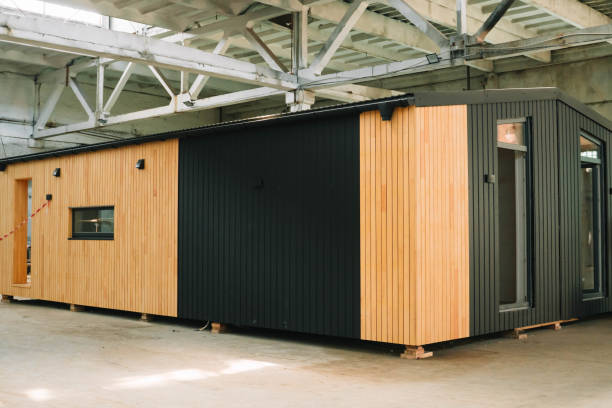
Imagine housing as adaptable and lively as a Kool & the Gang track - "Get Down On It" comes to mind, doesn't it? The rhythm, the flexibility, and the sheer joy mirror the evolution in the housing sector, particularly through the lens of off-grid modular homes, panelized housing systems, smart prefab housing, and flexible floor plans. This isn't just about building houses; it's about creating homes that embody freedom and innovation, much like the iconic tunes that have us all grooving.
Understanding Off-grid Modular Homes
Off-grid modular homes are taking center stage in the quest for sustainable and independent living. Built off-site in a controlled factory environment, these homes are designed to function without the need to connect to traditional power grids, water systems, or sewage systems.
The Appeal of Going Off-grid
Living off-grid means more than just being energy independent. It's a lifestyle choice that echoes the soulful independence of a funky bass line in a Kool & the Gang song. By choosing this lifestyle, homeowners take control of their environmental impact and enjoy a life less tethered to utility companies.
Key Features of Off-grid Modular Homes
- Renewable energy sources (solar, wind, hydro)
- Water harvesting and purification systems
- High-efficiency insulation and windows
- Waste reduction through composting toilets and greywater systems
Each feature is designed to reduce the homeowner's carbon footprint while providing everything needed to live comfortably and sustainably, much like a well-orchestrated song that provides both rhythm and message.
Technological Integration in Off-grid Homes
Like a smooth transition in a dance track, technology in off-grid modular homes ensures seamless living. Smart systems manage energy use, water storage, and even indoor temperature, all without manual interference.
Smart Technologies That Enhance Off-grid Living
- Smart solar panels that track the sun for optimal energy generation
- Energy storage systems to save excess energy for cloudy days
- Automated water collection and filtration systems
- Smart thermostats and lighting systems controlled via smartphone
This integration not only enhances efficiency but also ensures that the homes are as responsive and interactive as a DJ mixing live at a party.
Exploring Panelized Housing Systems
Panelized housing systems represent a significant shift in building technology, much like the shift from vinyl to digital in the music world. These systems involve constructing parts of homes — walls, roofs, and floors — in a factory setting, which are then transported to the site for assembly.
Benefits of Panelized Systems
The panelized approach streamlines construction, reduces waste, and shortens building time, a perfect parallel to how a remix can breathe new life into a classic track.
Advantages of Using Panelized Housing
- Reduced construction time due to pre-built panels
- Less waste generated during building processes
- Enhanced precision and quality control in factory settings
- Better insulation and energy efficiency capabilities
Just as a well-mastered track offers clarity and crisp sound, panelized homes provide superior quality and performance due to the controlled construction environment.
Customization in Panelized Housing
Despite the pre-fabricated nature of panelized systems, customization remains a strong feature, offering homeowners the chance to design their space just as one would personalize a playlist.
The Smart Prefab Housing Revolution
Smart prefab housing takes the convenience of prefab construction and elevates it with integrated technology, creating a home that's not just built for living but engineered for efficiency.
Core Components of Smart Prefab Homes
The core appeal of smart prefab homes lies in their ability to blend traditional home comfort with futuristic tech. These homes are designed to adapt, learn, and optimize the living experience.
Essential Elements of Smart Prefab Homes
- Integrated home automation systems
- Energy-efficient appliances and fixtures
- Pre-wired for future tech upgrades
- Modular add-ons for easy expansion
Such homes cater to the modern homeowner’s needs, promising a level of convenience and customization that’s as satisfying as hitting the high notes in a feel-good song.
Flexibility Through Innovative Floor Plans
Flexible floor plans are the heartthrob of modern housing. They allow homeowners to adapt their space to changing life stages, much like a live performance evolves based on audience energy.
Designing with Flexibility in Mind
These floor plans are designed to accommodate changes, whether it's a growing family or a new home office. Walls can move, rooms can expand, and functions can transform with minimal fuss, reminiscent of a dance floor that opens up as the night progresses.
Examples of Flexible Floor Plans
- Open-plan designs that combine living, dining, and kitchen areas
- Rooms with movable walls for easy space reconfiguration
- Convertible spaces, like a home office that doubles as a guest room
- Outdoor living areas that integrate with indoor spaces
These designs not only maximize space but also ensure that a home can grow and adapt with its inhabitants, providing a backdrop to life’s ever-changing rhythms.
Tags: Off-grid modular homes, Panelized housing systems, Smart prefab housing, Flexible floor plans
In conclusion, housing today is more than just bricks and mortar; it's about creating flexible, efficient, and sustainable spaces that resonate with personal style and life’s dynamics, much like the timeless tracks of Kool & the Gang. Whether through the adaptability of off-grid modular homes, the efficiency of panelized housing systems, the innovation of smart prefab housing, or the versatility of flexible floor plans, the future of housing looks as exciting as a dance floor under a disco ball.


