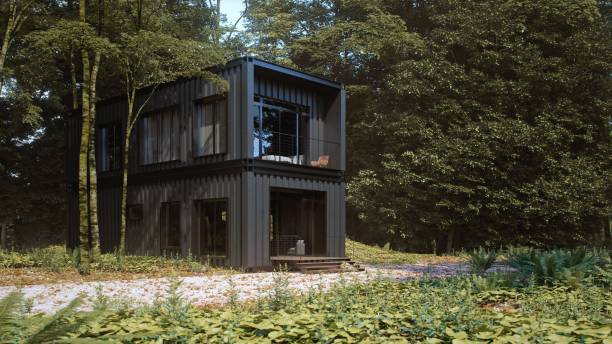
Exploring Rapid Deployment Housing in Boise, ID: Key Cost Considerations

As a seasoned entrepreneur and a resident of Boise, Idaho, I've witnessed firsthand the growing demand for efficient and sustainable housing solutions. Rapid deployment housing, particularly in the form of modular homes, offers a promising answer to this demand. In this detailed guide, I'll share insights on the cost factors involved in selecting modular homes for rapid deployment in Boise, ID, underlining why this method is not only innovative but also cost-effective.
Understanding Rapid Deployment Housing
Rapid deployment housing refers to the quick design, manufacture, and assembly of homes, primarily using prefabricated modules. These homes are known for their speed of construction, cost-effectiveness, and lower environmental impact. In Boise, the surge in interest for rapid deployment housing is partly due to its ability to address housing shortages swiftly and sustainably.
Modular homes, a popular form of rapid deployment housing, are constructed in sections at a factory and then transported to the site for assembly. This method drastically reduces build times and often costs, making it an attractive option for many homeowners and investors in Boise.
Cost Factors for Modular Homes in Boise, ID
The cost of modular homes in Boise can vary widely based on several key factors. Understanding these can help prospective homeowners and developers make informed decisions.
Design and Customization
One of the primary cost factors is the degree of customization required. Standard designs are generally more affordable, but many home buyers in Boise opt for customized solutions to meet specific needs or preferences, which can increase the overall cost.
Site Preparation and Foundation
Before the modular units can be installed, the site must be prepared, which may include clearing land, laying foundations, and installing utilities. Depending on the condition of the land and the complexity of the utilities, this phase can be a significant portion of the overall budget.
Transportation and Assembly
The cost of transporting prefabricated modules from the factory to the building site and the complexity of the assembly can also impact the total cost. Factors such as distance from the manufacturer and accessibility of the site play crucial roles.
Additional Cost Considerations
- Building permits and fees in Boise
- Costs related to sustainability features
- Interior and exterior finishing costs
- Landscape and external works
It's important to account for these when planning your budget for a modular home in Boise.
Comparing Modular Homes to Traditional Construction
In my experience, modular homes often present a more cost-effective solution compared to traditional stick-built homes. The controlled environment of a factory setting enhances precision and reduces waste and delays due to weather. Additionally, the bulk purchasing of materials can lead to further cost savings.
Speed of Construction
Modular homes can be assembled much quicker than traditional homes. In Boise, where the weather can vary, being able to construct a home quickly is a significant advantage, reducing labor costs and allowing residents to move in sooner.
Energy Efficiency
Another key advantage of modular homes is their energy efficiency. These homes are often built with modern materials and standards designed to minimize energy usage, which can lead to long-term savings on utility bills for Boise residents.
Final Thoughts on Modular Homes for Rapid Deployment in Boise, ID
Choosing a modular home for rapid deployment in Boise combines cost efficiency with modern design and sustainable construction. As someone who values innovation in both business and personal endeavors, I see modular homes as not just a housing solution but a step towards more sustainable living in our city.
Are you considering a modular home in Boise, ID? What are your main considerations for choosing this type of housing?