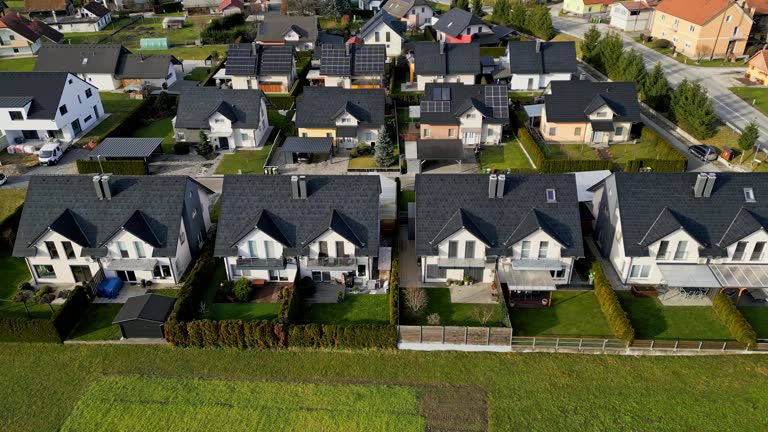
Exploring Low-Carbon Footprint Housing in Salt Lake City, UT Through Modular Homes

As we delve deeper into the need for sustainable living, low-carbon footprint housing in Salt Lake City, UT, emerges as a crucial topic. Modular homes, known for their flexibility and efficiency, stand at the forefront of this movement. This article explores how modular homes in Salt Lake City can meet the demands for environmentally friendly homes, featuring sustainable construction materials and innovative design approaches like passive house standards.
Understanding Low-Carbon Footprint Housing
Low-carbon footprint housing aims to minimize environmental impact through energy efficiency and the use of sustainable materials. In Salt Lake City, where environmental consciousness is growing, modular homes offer a practical solution. These homes are not only designed to reduce carbon emissions but also cater to modern needs with flexible floor plans and robust construction techniques.
One of the main advantages of modular homes is their construction process. Built in a controlled factory setting, these homes generate less waste and typically use materials that are sustainably sourced. This method also reduces the overall construction time, further diminishing the carbon footprint associated with traditional building methods.
Benefits of Modular Homes for Sustainable Living
- Reduced onsite construction waste
- High energy efficiency
- Use of renewable resources
- Adaptability to various land environments
- Long-term cost savings on energy
For anyone considering a shift to a more sustainable lifestyle in Salt Lake City, modular homes present a compelling option, combining modern aesthetics with environmental responsibility.
Key Features of Passive House Prefabs in Salt Lake City
Passive house standards take the concept of low-carbon footprint housing further by emphasizing super-insulation, airtightness, and energy recovery. In Salt Lake City, adopting passive house prefab designs in modular homes can significantly enhance energy efficiency. These homes maintain a consistent interior climate, drastically reducing the need for heating and cooling, which lowers energy consumption and carbon emissions.
Core Components of a Passive House
- Super-insulated walls and roofs
- Advanced window technology
- Airtight building envelope
- Energy recovery ventilation systems
- Solar gain optimization
The integration of these features into modular homes not only supports sustainable living but also provides residents with unmatched comfort and lower utility bills.
The Role of Sustainable Construction Materials
Sustainable construction materials are pivotal in building low-carbon footprint homes. Materials such as bamboo, recycled steel, and precast concrete play a significant role in modular construction. These materials are not only durable but also have excellent sustainability profiles which help reduce the environmental impact of buildings.
Comparing Sustainable Materials
- Bamboo: Highly renewable, with a quick growth cycle
- Recycled steel: Reduces the demand for new mining and offers excellent structural strength
- Precast concrete: Made in a controlled environment, it minimizes waste and offers flexibility in design
Choosing the right materials is crucial for anyone looking to invest in a modular home in Salt Lake City, ensuring that the structure is both sustainable and efficient.
Planning for Flexibility: Modular Homes with Adaptable Floor Plans
One of the standout features of modular homes is their flexible floor plans. These designs allow homeowners in Salt Lake City to tailor their living spaces to their specific needs, which can change over time. Whether it’s expanding family size or changing lifestyle needs, modular homes can adapt easily without extensive renovations.
Benefits of Flexible Floor Plans
- Ability to expand or modify layouts with minimal disruption
- Customization options to meet diverse family needs
- Scalability for future growth or downsizing
This flexibility not only enhances the usability of modular homes but also contributes to their sustainability, as it reduces the need for future construction.
Choosing a modular home in Salt Lake City can be a pivotal decision towards achieving a sustainable, low-carbon lifestyle. In my years of exploring sustainable living options, I've witnessed firsthand the benefits that modular homes offer, particularly in urban settings like Salt Lake City where space and efficiency are at a premium. Are you considering making the switch to a modular home for its environmental benefits? What aspects of sustainable living are most important to you?