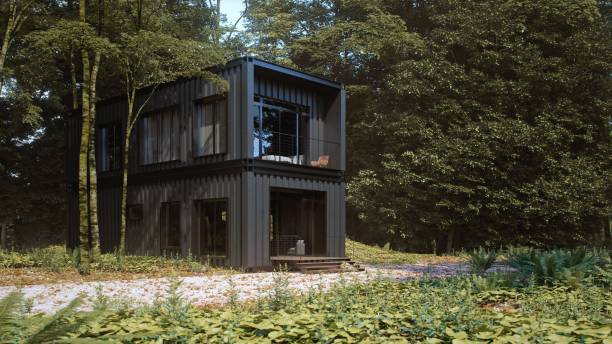
Exploring Cost Factors for 3D Printed Modular Homes in New York City, NY

As an entrepreneur deeply involved in the technology and design sectors, I've developed a keen interest in innovative housing solutions like 3D printed modular homes. These homes not only promise a revolution in how we think about construction but also offer unique benefits and challenges, especially in urban environments like New York City, NY. Let's dive into the cost factors that influence these types of modular homes in such a dense urban area.
Understanding 3D Printed Modular Homes
3D printed modular homes utilize advanced printing technology to create sections of homes layer by layer, which are then assembled on-site. This method offers remarkable benefits, including reduced labor costs, decreased waste, and significantly faster construction times. In New York City, the adoption of this technology is influenced by factors like urban density and the premium on space.
In my experience, adopting 3D printing in construction streamlines many aspects of building processes, from initial design through to final execution.
Cost Components of Modular Homes in NYC
Several key elements define the cost of 3D printed modular homes in New York City:
- Material Costs: The type of materials used in 3D printing, such as concrete and polymers, can vary widely in price.
- Design Complexity: Custom designs can increase costs, though standardization tends to reduce them.
- Site Preparation: Urban sites might need significant preparation, impacting overall expenses.
- Regulatory Compliance: NYC's building codes and regulations can add layers of complexity and cost.
Price Comparison: Traditional vs. Modular Construction
When comparing traditional construction methods to modular ones, it's clear that modular construction often leads to cost savings, primarily due to shorter construction times and reduced labor costs. However, in a city like New York, factors such as logistics and site access can diminish these savings.
Furthermore, the initial investment in 3D printing technology can be high, though it tends to pay off in the long term through efficiencies and the ability to reuse designs and materials.
Maximizing Space in Urban Environments
One of the biggest challenges in New York City is the efficient use of space. 3D printed modular homes can be designed with flexible floor plans, tailored to the unique constraints and opportunities of smaller urban plots.
Benefits include:
- Customization to fit narrow or irregular lots.
- Vertical designs that maximize living space upwards rather than outwards.
- Integration of green technology, such as green roofs or walls, which is increasingly valuable in urban settings.
Long-Term Value and Sustainability
Investing in a 3D printed modular home is not just about cost; it's also an investment in sustainability. These homes are typically more energy-efficient and can be equipped with advanced HVAC systems, solar panels, and other sustainable technologies, which may offer long-term savings and environmental benefits.
Conclusion: Is a 3D Printed Modular Home Right for You?
Choosing a 3D printed modular home in New York City involves considering various factors, including cost, customization, and sustainability. While the upfront costs might be higher than traditional construction, the long-term benefits – both financial and environmental – can make it a worthwhile investment.
Are you considering a modular home in NYC? What are your main concerns or points of interest?