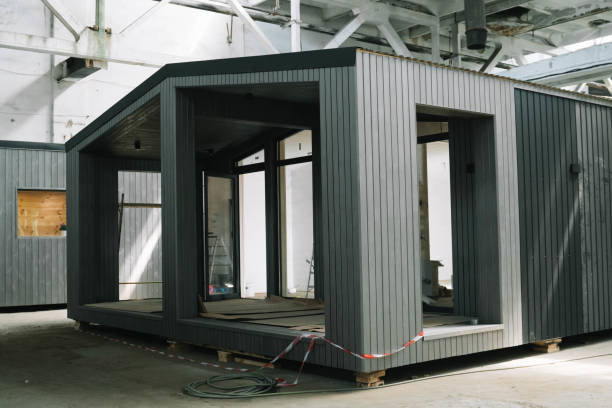
The Evolution of Residential Living: From Smart Homes to High-Performance Prefab Designs
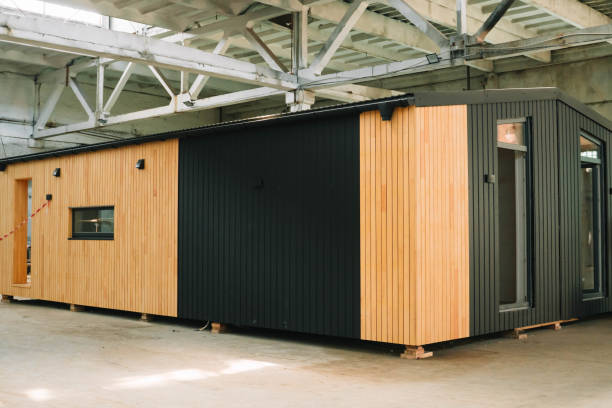
The modern age of residential construction is witnessing a transformative shift towards residential modular buildings and high-performance prefab homes. These innovations are not just redefining the aesthetics of our living spaces but are also enhancing the efficiency, sustainability, and intelligence of our homes. This evolution is largely driven by advancements in home automation and energy management systems, creating dwellings that are as smart as they are environmentally responsible.
The Rise of Residential Modular Buildings
Residential modular buildings are revolutionizing the construction industry by offering faster build times, reduced waste, and improved quality control compared to traditional construction methods. Modular construction involves the prefabrication of building sections in a controlled factory setting, which are then transported to the site for assembly.
Benefits of Modular Construction
Core Advantages of Choosing Modular Homes
- Speed of Construction
- Cost Efficiency
- Reduced Environmental Impact
- Flexibility in Design
- Consistent Quality
- Improved Safety
- Energy Efficiency
- Reduced On-Site Disruption
- Long-Term Durability
- Adaptable to Various Landscapes
Choosing modular construction not only ensures a quicker and more reliable building process but also contributes to the sustainability goals of modern construction by minimizing waste and site disturbance.
Emerging Trends in Modular Building Designs
As technology and design preferences evolve, so too do the styles and capabilities of modular homes. Recent trends include the integration of green technologies such as solar panels and rainwater harvesting systems, as well as the customization options that allow homeowners to design their dream homes that reflect their personal style yet remain functional and sustainable.
Energy Management in Smart Homes
With the global push towards sustainability, energy management in homes has become a critical area of focus. Smart homes equipped with advanced energy management systems not only help reduce energy consumption but also ensure that the energy used is sourced and utilized in the most efficient way possible.
How Home Automation Enhances Energy Management
Key Components of Smart Energy Systems
- Smart Thermostats
- Automated Lighting Systems
- Energy-Efficient Appliances
- Real-Time Energy Consumption Monitoring
- Automated Blinds and Shading Systems
- Integrated HVAC Systems
- Solar Energy Integration
- Smart Meters and Grids
This integration of home automation technologies allows homeowners to optimize their energy usage, leading to significant cost savings and a reduced carbon footprint. By automating systems like heating, cooling, and lighting, homes can operate more efficiently and with greater comfort.
Advancements in Energy Storage Solutions
As the reliance on renewable energy sources grows, so does the need for effective energy storage solutions. Modern smart homes often include systems like battery storage to ensure energy availability during peak times or in cases of power outage, thereby enhancing the home's energy resilience.
Exploring High-Performance Prefab Homes
High-performance prefab homes take the benefits of modular building and elevate them with cutting-edge technologies and materials designed for maximal energy efficiency and minimal environmental impact.
Characteristics of High-Performance Prefab Homes
Attributes That Define High-Performance Living
- Superior Insulation
- High-Efficiency Windows and Doors
- Tight Construction to Prevent Air Leaks
- Advanced HVAC Systems
- Eco-Friendly Building Materials
- Optimized Building Orientation
- Rainwater Harvesting
- Low-Flow Water Fixtures
- Landscaping for Natural Cooling
- Solar-Ready Roofs
These characteristics not only ensure that the prefab homes are comfortable and durable but also guarantee that they adhere to the highest standards of environmental stewardship.
The Future of Residential Living
As we look towards the future, the trends in residential modular buildings, energy management homes, home automation, and high-performance prefab homes are set to define the new standard in residential living. These homes are not just dwellings but are smart, sustainable systems capable of adapting to the needs of their inhabitants while minimizing their ecological footprint.
Tags: Residential modular buildings, Energy management homes, Home automation, High-performance prefab homes
In the realm of modern living, humor might dictate that our homes will soon be smarter than we are. Yet, as much as we jest, the integration of intelligent design with ecological responsibility in residential construction is a bright indicator of our commitment to crafting a sustainable future. As homes become smarter, so too does our approach to living harmoniously with our environment, proving that the homes of the future are not just about shelter, but about smarter, sustainable living.