Cramped Quarters? Think Again! Innovations in Compact Living Knocking on Your Tiny Door

Ever tried shoving your oversized personality into a matchbox-sized apartment? I have, and let me tell you, it's not a pretty sight—think sardines, but less oily and more complain-y. However, the world of compact living has evolved, and so have I. Here’s a peek at how factory-built homes are changing the game and why you might want to ditch that spacious yet oh-so-guzzling mansion.
The Compact Revolution: More Than Just Shrinking Spaces
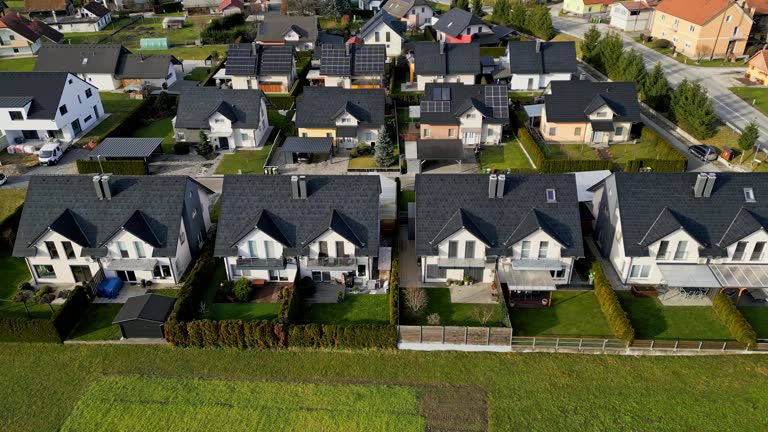
Okay, so when most folks hear "compact living solutions," their brains jump to visions of cramped, dimly-lit rooms where you can cook, sleep, and shower without moving an inch. But it's 2025, and the narrative is shifting faster than my daughter's mood swings. Factory-built homes are crafting spaces that are smart, sustainable, and, believe it or not, spacious.
So, why the shift? Sustainability isn’t just a buzzword for the Birkenstock-wearing crowd anymore—it’s a necessity. As a dad, entrepreneur, and a guy who's bought one too many useless gadgets off Amazon (sorry, wallet!), I’m all for innovations that promise a future where my kids can still enjoy nature and not just view it in VR.
Low-carbon footprint housing isn't just good karma; it's smart economics. We're talking reduced energy bills, less waste, and homes that practically run themselves while you spend your time figuring out what to binge-watch next.
The Tech Behind the Tiny
As someone who’s tinkered with everything from AI algorithms to my kids’ broken toys, I’m a sucker for the tech that makes these petite palaces tick. Sustainable housing now includes hyper-efficient energy systems and materials recycled so many times they have stories to tell. And yes, they’re factory-built, which means precision, less waste, and a speed that’s kind of like fast food, but for housing and, you know, actually good for you.
And let’s not forget automation. My house practically parents my kids with how automated it is—okay, not really, but we’re getting there. Think voice-activated everything, from brewing your morning coffee to adjusting your entire home’s lighting because, apparently, mood lighting is key for even reading the news these days.
The Real MVPs of Miniaturized Mansions
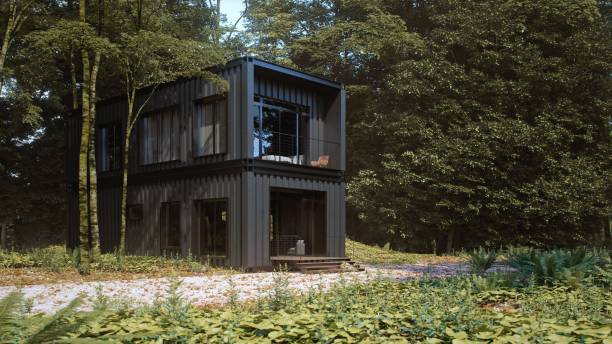
Now, let’s talk about a few unsung heroes in the compact living scene. First up, modular design—homes built in sections in a factory, then assembled on-site like a giant, habitable Lego set. It’s customization without the chaos.
Next, renewable energy integrations. Solar tiles that double as your roof aren’t just chic; they're cutting down on your carbon footprint like a ninja in a carbon forest. Plus, in-house water recycling systems—because why waste something that’s literally falling from the sky?
Eye-Openers in Compact Living
- Multi-functional furniture: A sofa that transforms into a bed, storage, and a workout bench? Sign me up!
- Vertical gardens: Who says you can’t have a garden in a flat? Stack it up the wall!
- Integrated technology: Control your home with your voice, or, if you’re old-school, an app.
- Customizable facades: Want your house to look like a castle or a spaceship? No problem.
- Community spaces: Shared amenities that put old-school parks to shame.
- Transport integration: Electric vehicle charging ports come standard, because, of course, they do.
- Expandable modules: Kids finally moved out? Shrink your house. They move back in? Expand it.
So, are we ready to trade our sprawling estates for something a bit more snug? Maybe. But with these innovations, small is no longer just a compromise—it’s a choice that doesn’t skimp on the living part.
Got thoughts on living the plush, compact life or stories about your tiny home adventures? Drop a comment below—I’m all ears and always up for a chat about making big ideas fit into small spaces.