
Can volumetric modular construction deliver sustainable, smart living spaces?
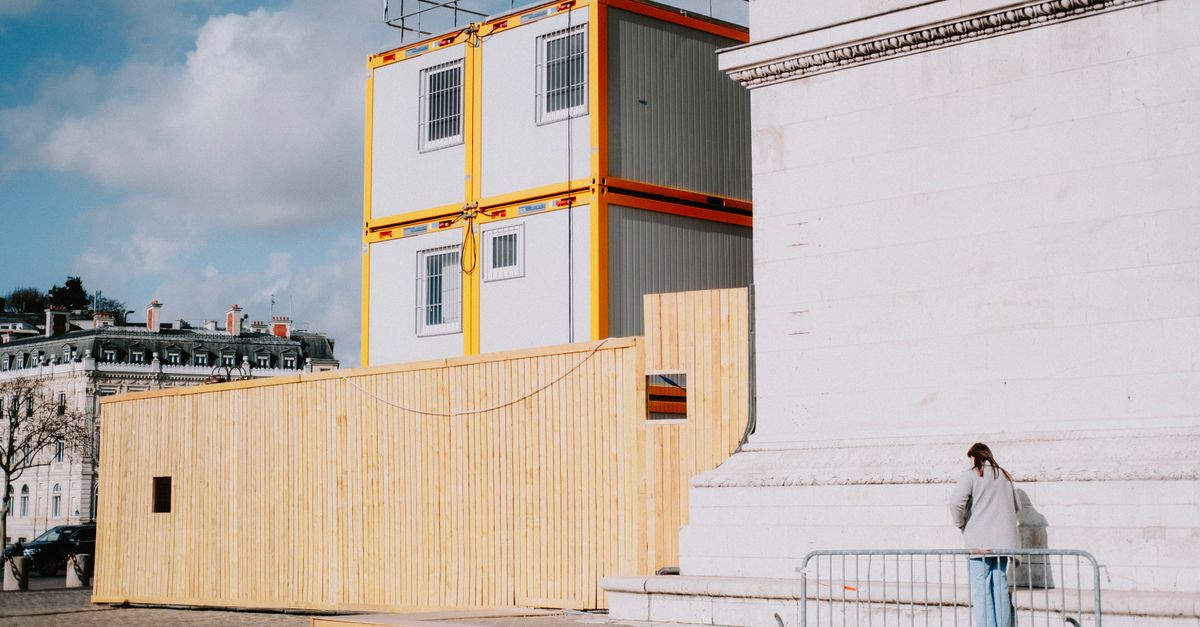
When I’m evaluating new building trends, the question that always surfaces is whether a solution can truly combine sustainability with modern automation. Volumetric modular construction (VMC) promises both: faster build times, reduced material waste, and seamless integration of smart home systems. Below, I break down how VMC stacks up against traditional methods, what you need to know about modular ADUs, and how to choose the right system for a green, automated future.
Why Modular Construction Matters for Green Building
Traditional on-site construction consumes roughly 30 % more energy than off-site manufacturing. VMC flips that model by building entire rooms or “modules” in controlled factories. This environment limits weather‑related delays and allows precision cutting, which cuts material waste by up to 40 %. The result is a lighter structure with lower embodied carbon.
In addition, factory settings enable the use of high‑efficiency insulation, recycled steel framing, and low‑VOC finishes that are harder to control on a job site. These materials not only improve indoor air quality but also contribute to higher ENERGY STAR scores for the finished building.
Key Takeaway: VMC reduces embodied carbon by up to 40 % compared with traditional construction, making it one of the most climate‑friendly building methods available today.
Beyond material savings, modular workflows accelerate project timelines. A typical residential build can take 6–12 months; a well‑coordinated VMC project often completes in 3–5 months. Faster delivery means less on‑site disturbance for neighbors and lower labor costs—critical factors when budgeting for green upgrades.
Volumetric Modular Construction Explained
Volumetric modular construction differs from conventional “panel” modularity by assembling full rooms or units in a factory, rather than just walls. Think of each module as a pre‑finished cube that includes framing, insulation, drywall, plumbing, electrical, and finishes.
This approach offers several advantages:
Differences Between VMC and Traditional Modular
- Scale: VMC builds entire rooms; panel modular focuses on wall sections.
- Finish Level: VMC delivers ready‑to‑install interior finishes, reducing on‑site labor.
- Integration: Built‑in plumbing and electrical pathways simplify system hookups.
- Precision: Factory control allows tighter tolerances, improving energy performance.
Because modules are pre‑finished, the final assembly on site is as simple as stacking blocks. This not only speeds construction but also minimizes the potential for errors that can lead to costly rework.
Integrating Home Automation in Modular Homes
One of the biggest selling points of modular homes today is their compatibility with smart home technology. Since modules come pre‑wired, adding IoT devices—thermostats, lighting controls, security cameras—becomes a plug‑and‑play experience.
Smart Systems That Fit Modularity
When choosing automation components for a modular build, consider the following:
Recommended Automation Features for VMC Projects
- Centralized HVAC Control: Smart thermostats that learn occupancy patterns.
- Automated Lighting: Dimmable LED fixtures with motion sensors.
- Security Suite: Door/window sensors, video doorbells, and smart locks.
- Energy Monitoring: Real‑time consumption dashboards for each module.
- Voice Assistant Integration: Compatibility with Alexa or Google Home.
Because the modules already include conduit pathways, installing these systems can often be completed in a single day of on‑site work—much less than the weeks required for conventional builds.
Choosing the Right Modular ADU for Your Needs
A modular accessory dwelling unit (ADU) is an ideal way to add living space without compromising your property’s environmental footprint. When selecting a VMC ADU, evaluate size options, customization flexibility, and cost structure.
Size, Layout, and Customization Options
Most manufacturers offer modular ADUs ranging from 300 to 1,200 square feet. The layout is typically modular—rooms can be added or removed by swapping out pre‑finished panels. This flexibility lets you tailor the space for a home office, studio, or guest suite.
Cost Breakdown and Financing Tips
- Material Cost: Factory‑made modules often cost 10–15 % less per square foot than site‑built equivalents.
- Labor Savings: On‑site labor drops by about 30 %, translating to significant savings.
- Financing: Many lenders offer short‑term construction loans with low interest rates for modular projects, especially when the builder guarantees a fixed price.
- Tax Incentives: Look into local rebates for energy‑efficient builds; VMC’s high insulation values often qualify.
When budgeting, account for transportation and site preparation—though these are usually lower than traditional build logistics because modules can be stacked with minimal handling.
Common Mistakes to Avoid in Modular Green Projects
Even though VMC simplifies many aspects of construction, there are pitfalls that can erode the environmental or economic benefits if not addressed early.
Oversights and How to Fix Them
- Ignoring Site Constraints: Failure to account for slope, access roads, or utility hookups can lead to costly rework.
- Underestimating Insulation Needs: Some manufacturers offer standard insulation; upgrading to R‑30+ is essential for high‑performance homes.
- Lack of Energy Modeling: Skipping a detailed simulation may result in subpar HVAC sizing.
- Skipping Quality Control: Verify that the factory follows ASTM standards for moisture resistance and fire ratings.
Quick Checklist Before Ordering Modules
- Confirm site grading and access routes.
- Request full material specifications from the builder.
- Schedule a pre‑construction energy audit.
- Ensure the contractor has a proven track record with VMC projects.
- Verify warranty terms for both structure and automation components.
By addressing these areas upfront, you preserve the integrity of your green objectives and avoid surprise costs during installation.
Case Study: A 2026 Modular ADU Project with Smart Automation
I recently supervised a VMC ADU for a client in Austin that combined high‑efficiency construction with advanced home automation. The unit measured 650 sq ft, featuring two bedrooms, a loft studio, and an integrated smart kitchen.
Design, Build, Performance
The modules were fabricated with R‑38 insulation and low‑VOC finishes. During on‑site assembly, we installed a smart HVAC system that leveraged the pre‑wired ducts for instant zoning control. Energy modeling predicted a 30 % reduction in annual heating and cooling costs compared to a conventional build.
Key Takeaways
- Pre‑finished modules cut construction time from 10 months to just 3.
- The smart HVAC system achieved near‑zero temperature fluctuations during peak summer.
- Client reported an overall satisfaction rating of 9/10, citing minimal disruption and a “plug‑and‑play” experience.
This example demonstrates that VMC can deliver both sustainability and convenience when executed with careful planning.
Future Outlook for Volumetric Modular and Green Living
The trajectory of modular construction is unmistakable. Advances in AI design tools, prefabricated composite panels, and renewable energy integration are set to make VMC even more efficient by 2030.
Emerging Trends (AI, Materials)
- AI‑Driven Design: Software now predicts optimal module geometry for passive solar gain.
- Bio‑Based Insulation: Hemp and mycelium panels offer superior thermal performance with lower carbon footprints.
- Integrated Solar Harvesting: Modules can include thin‑film photovoltaics embedded in roof panels, reducing the need for separate arrays.
- Digital Twins: Real‑time monitoring of structural health and energy usage informs maintenance schedules.
How to Stay Ahead
- Partner with builders who publish their AI design workflows.
- Evaluate material certifications (e.g., FSC, GREENGUARD).
- Invest in modular units that support easy retrofitting of renewable systems.
- Regularly update your home automation stack to leverage new protocols.
Staying informed on these trends ensures you’re not only building a green home today but also future‑proofing it for the next decade.
What modular features are most critical to your sustainability goals, and how do you plan to integrate smart systems into them?


