Building a Future‑Ready Home in 2026: Practical Guidance for Tech‑Enabled, Energy‑Efficient Living
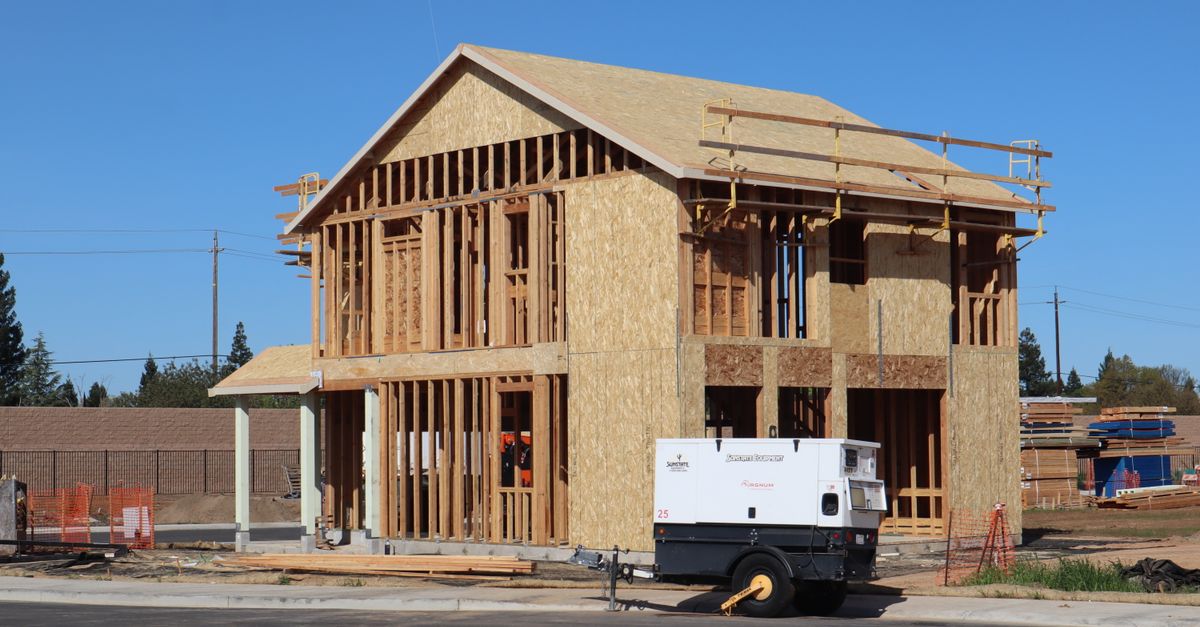
I’m standing on the porch of my own modular home, watching the sun set over the Nevada desert. The building’s smart glass dims automatically; a solar array feeds excess power into a local microgrid that shares surplus energy with neighboring homes. In the next few minutes I’ll be adjusting the temperature through my phone and monitoring water usage in real time. This isn’t a sci‑fi fantasy – it’s the reality of tech‑enabled housing today, and it’s becoming essential for anyone who wants to reduce costs, lower their carbon footprint, or simply enjoy more convenience.
What Is Tech‑Enabled Housing?
Tech‑enabled housing blends three core elements: digital control systems, energy‑management technology, and sustainable construction practices. It moves beyond the basic “smart home” that relies on a single hub; instead it creates an integrated ecosystem where devices communicate with each other, with local utilities, and even with cloud services to optimize performance.
Key characteristics include:
System Integration
- Unified platforms (e.g., Home Assistant, OpenHAB) that link HVAC, lighting, security, and appliances.
- Edge computing nodes that process data locally for faster response times.
- API compatibility so new devices can be added without rewiring.
By building a single framework from the start, homeowners avoid costly retrofits later on. The result is a living space that “learns” its occupants’ habits and adjusts automatically, reducing wasted energy and enhancing comfort with minimal manual intervention.
Digital Home Systems: From Sensors to Automation
A digital home system relies on sensors, actuators, and intelligent software. It can be broken down into three layers:
- Hardware Layer: temperature, motion, humidity, and CO₂ sensors; smart thermostats; smart plugs.
- Connectivity Layer: Wi‑Fi, Zigbee, Thread, or Matter protocols that ensure low latency and high reliability.
- Control Layer: software that interprets sensor data to trigger actions (e.g., dim lights when a movie starts).
When I first installed an open‑source hub in my basement, I noticed that the energy consumption patterns of my kitchen appliances were now visible on a dashboard. That visibility was the first step toward smarter decisions.
Beyond basic automation, modern systems can incorporate predictive analytics. For example, by feeding historical temperature data into a machine learning model, the system can forecast when a room will exceed a comfort threshold and pre‑emptively adjust HVAC settings to avoid sudden spikes in heating or cooling demand. This level of foresight turns reactive control into proactive optimization.
Energy Management: Smart Thermostats, Solar, and Battery Storage
The primary driver for many homeowners is cost reduction, but energy management systems (EMS) also provide resilience against grid disruptions and support broader sustainability goals. An effective EMS typically offers:
- Optimize HVAC cycles based on occupancy and weather forecasts.
- Use time‑of‑use pricing data to shift heavy loads to off‑peak hours.
- Integrate photovoltaic (PV) panels with battery storage for load shifting and backup power.
- Monitor water heating efficiency through smart meters.
An example from my own experience: after installing a Level 2 EV charger that communicates directly with the grid, I saw a 12% reduction in electricity costs during peak periods. The charger automatically delayed charging until the grid’s renewable share was highest, demonstrating how real‑time data can drive tangible savings.
For those who want to go further, consider adding a smart inverter that not only manages solar generation but also provides detailed performance analytics and fault detection. Coupled with a home battery like Tesla Powerwall or LG Chem RESU, homeowners can store excess daytime solar for use during the night or when the grid is congested.
Environmentally Friendly Homes: Materials and Passive Design
Sustainable construction goes beyond energy systems; it starts with material selection and building envelope design.
- Low‑embodied‑carbon materials: cross‑laminated timber, recycled steel, and geopolymer concrete reduce the carbon footprint of new builds.
- High thermal mass panels that absorb daytime heat and release it at night, stabilizing indoor temperatures.
- Advanced glazing with low‑E coatings to minimize heat loss while maximizing natural light.
- Strategic orientation and shading—north‑facing windows for passive solar gain, overhangs or pergolas to block summer sun.
In my modular home, I used recycled composite panels that are 30% lighter than conventional drywall. The result was a 15% decrease in overall construction weight and faster installation times. Additionally, the building’s envelope incorporates a green roof that provides both insulation and stormwater management, further reducing energy demand.
Passive design strategies such as Trombe walls or double‑skin facades can also be integrated into modular modules. By positioning thick masonry walls on south-facing façades in the northern hemisphere, heat is stored during the day and released at night, smoothing temperature swings without mechanical intervention.
Modular Housing Innovation: Prefabrication Meets Smart Design
The modular approach is not just about speed; it’s also a platform for integrating smart systems from the ground up. Key benefits include:
- Precision fabrication: each module is built in controlled environments, ensuring tight tolerances and reducing on‑site waste.
- Pre‑wired electrical and data cabling that eliminates costly field splicing.
- Standardized interface panels that allow for plug‑and‑play upgrades of IoT devices.
- Scalable floor plans that can be expanded or reconfigured without major demolition.
When I partnered with a modular manufacturer in 2024, they offered a “smart kit” that included embedded sensors and a pre‑installed hub. The installation was complete in just two weeks, and the system was fully operational on day one.
Beyond convenience, modular construction offers environmental advantages: reduced material waste, lower embodied carbon due to optimized component sizing, and minimal site disturbance—critical for projects in ecologically sensitive or flood‑prone areas.
Practical Steps for Homeowners: From Assessment to Implementation
Transitioning to a tech‑enabled home involves careful planning. Here’s a step‑by‑step guide:
- Energy Audit: Measure current consumption, identify peak loads, and assess insulation performance.
- Select a Hub Platform: Evaluate open‑source vs proprietary solutions based on device compatibility and future scalability.
- Choose Energy Systems: Decide between grid‑only, PV + battery, or hybrid setups. Factor in local incentives and net metering policies.
- Material Selection: Prioritize low‑embodied materials that also support modular construction if you’re building anew.
- Create a Phased Rollout Plan: Start with critical systems (HVAC, lighting) before adding peripheral devices (smart appliances).
- Budgeting and Financing: Use cost calculators to estimate savings. Consider financing options like green loans or rebates.
- Installation and Testing: Work with certified installers who understand both construction and IoT integration.
- Continuous Optimization: Set up dashboards that track energy use, device performance, and alerts for anomalies.
In my experience, the biggest barrier is the initial learning curve. That’s why I recommend starting with a single smart thermostat paired with an open‑source hub; once you see tangible savings, scaling becomes much easier.
Common Mistakes and How to Avoid Them
Even well‑intentioned projects can falter if certain pitfalls are overlooked:
- Ignoring Compatibility: Buying devices that don’t support Matter or Thread limits future expansion. Always verify protocol support.
- Underestimating Security: Failing to secure the hub opens doors for ransomware or unauthorized access. Use strong passwords, enable two‑factor authentication, and keep firmware updated.
- Overloading the System: Adding too many devices at once can overwhelm bandwidth. Prioritize high‑impact appliances first.
- Neglecting Maintenance: Smart systems require regular updates and hardware checks. Set a quarterly review schedule.
- Skipping Energy Audits: Without baseline data, you can’t measure real savings or identify inefficiencies.
By addressing these issues early, homeowners protect their investment and maximize long‑term benefits.
Key Takeaway: Integrating digital home systems with energy management and sustainable materials creates a self‑optimizing environment that reduces costs, lowers carbon emissions, and enhances comfort—all achievable through a structured, phased implementation plan.In my experience, the biggest leap is moving from “smart” to “intelligent.” It’s not just about installing devices; it’s about creating an ecosystem that continuously learns and adapts.
What single smart device has had the most impact on your home’s energy savings, and why?